

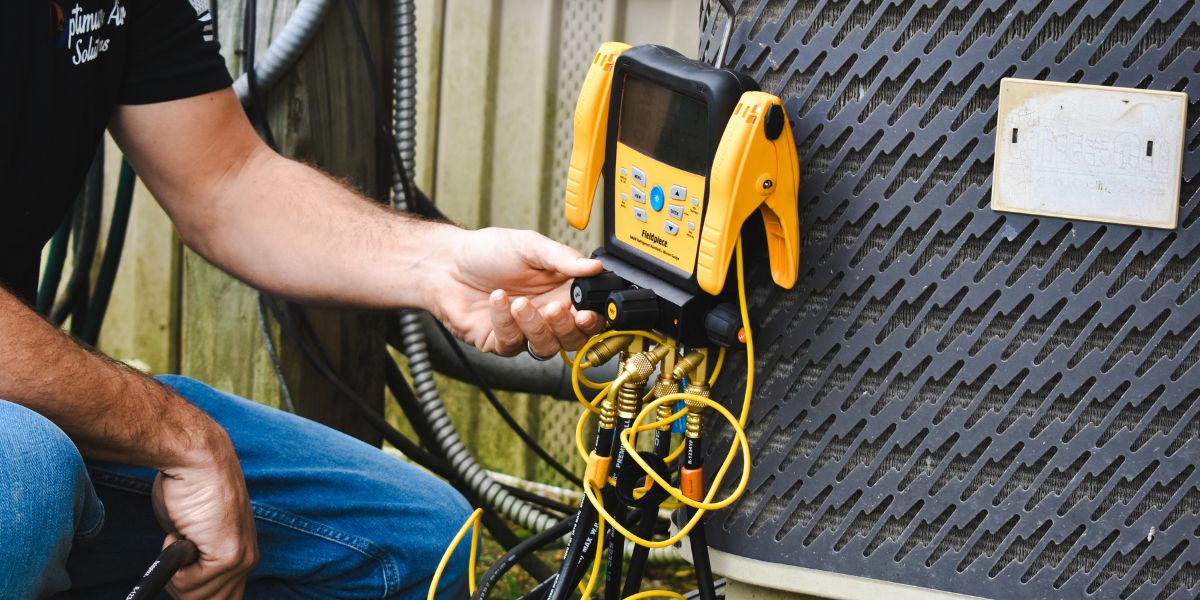
If you’ve ever tried to replace an air conditioning unit, you might remember feeling overwhelmed, by paperwork, inspections, or a contractor telling you, “We need a permit for that.” It’s frustrating. You just want cool air, not a crash course in local regulations. But ignoring AC replacement permits can lead to delays, fines, or even having to tear out newly installed equipment. And no one wants to pay twice for the same job.
AC replacement permits are more than just red tape, they exist for safety, efficiency, and compliance. Without them, your investment in a new HVAC system might not even pass inspection, putting your comfort and wallet at risk. The good news is that understanding what’s required doesn’t need to be complicated.
Why Permits Are Required for AC Replacement
Cities and counties across the country require permits for AC replacements because heating and cooling systems tie into electrical, structural, and mechanical systems. Any modification to these systems can impact home safety.
A permit ensures that a licensed contractor installs the system according to local building codes. These codes exist to:
- Protect homeowners from fire hazards due to improper electrical connections
- Prevent refrigerant leaks that harm the environment
- Ensure ventilation systems meet health standards
Failing to get the proper permit can cause future problems. For instance, if you try to sell your home and an inspection reveals unpermitted work, you might be forced to fix or remove the system, at your own cost.
What You Need to Know About AC Replacement Permits
Permits for AC replacement aren’t optional in most cases. Local building departments often require one before work begins. Even if you’re swapping an old unit for a newer model, the law may still apply.
Some of the typical circumstances that require permits include:
- Installing or replacing a central air conditioning system
- Upgrading ductwork
- Connecting to new electrical panels or making major electrical changes
- Replacing systems that involve natural gas connections
Your HVAC contractor should pull the permit on your behalf, but it’s still your responsibility as the homeowner to make sure it’s done. Always ask for proof that a permit was secured before work starts.
How Long Does It Take to Get a Permit?
In many cities, contractors can pull a permit online within 1–2 business days. However, this depends on your location and the project’s complexity.
Some municipalities may require additional documentation, such as:
- Equipment specifications
- Load calculations
- Site drawings for ductwork changes
If these are missing or incomplete, expect delays. Once the work is completed, a city inspector may need to sign off to ensure everything meets code. This adds another step, but it also provides you with peace of mind.
AC Replacement Codes You Should Know About
Building codes vary by state and city, but most areas follow standards based on guidelines from organizations like the International Residential Code (IRC) or International Mechanical Code (IMC).
Here are a few common requirements:
- Electrical Code Compliance: Units must be connected to a dedicated breaker with the correct amperage.
- SEER Ratings: Systems must meet local energy efficiency standards, especially in places like California or Arizona.
- Duct Sizing and Insulation: Improperly sized ducts can reduce efficiency and airflow.
- Clearance Requirements: Outdoor condenser units must have adequate space around them to prevent overheating.
These codes aren’t just technicalities, they ensure your ac replacement service is up to professional standards and safe for your household.
Common Myths About AC Permits
It’s tempting to cut corners, especially when time or money is tight. Here are some myths that often mislead homeowners:
“It’s just a swap, it doesn’t need a permit.”
Even direct replacements usually require inspections to verify correct installation.
“My contractor said it’s not needed.”
Some contractors may skip permits to save time, but this puts your home at risk.
“Permits are just a cash grab.”
While permit fees exist, they’re minor compared to the costs of unpermitted work gone wrong.
Being proactive about these issues keeps your home protected, and keeps you from dealing with frustrating surprises later.
Who Handles the Inspection?
Once installation is complete, a city or county inspector visits your property to ensure the system complies with all local codes. You don’t have to know the codes yourself, but you do need to ensure someone is checking for them.
Most inspections focus on:
- Correct electrical connections
- Proper refrigerant handling
- Safe duct installation
- Manufacturer-approved unit placement
If anything fails, the contractor must fix it before final approval. You’ll then receive a signed-off permit document for your records.
What Happens If You Skip the Permit?
Skipping the permit might seem easier, especially if no one notices, at first. But the risks are real:
- Insurance Denial: Home insurance policies may not cover damages caused by unpermitted HVAC work.
- Failed Home Sale: If your home is inspected before a sale, unpermitted work could delay or derail the deal.
- City Penalties: Municipalities can fine homeowners or force costly removals and re-installations.
Worst of all, you might not know there’s an issue until it’s too late.
How Much Does a Permit Cost?
Permit fees vary by location and project scope, but typically range from $50 to $250. Compared to the full cost of an AC installation, which can run thousands, this is a small price for the assurance it offers.
Still, some homeowners prefer to have everything bundled. That’s where working with a reputable ac replacement service can make a difference, they’ll often include permit handling as part of the overall job.
Tips to Ensure Your AC Replacement Is Code-Compliant
- Hire a licensed contractor: Make sure they’re familiar with your city’s permitting process.
- Ask about permits upfront: Don’t assume it’s included, get confirmation in writing.
- Keep records: Save permit documents and inspection approvals. These can help during home resale.
- Don’t DIY complex replacements: Even skilled homeowners shouldn’t attempt code-required installations on their own.
Final Thoughts
When you’re already sweating through the heat of summer, the last thing you want is more hassle. But the truth is, AC replacement permits aren’t meant to make your life harder. They’re designed to ensure that your system is installed safely, efficiently, and in compliance with all local rules.
Understanding the rules of the game, and making sure your contractor plays by them, can save you from headaches later. From load calculations to code checks, there’s a lot behind that cool breeze in your living room. But with the right knowledge, you’ll never be left in the dark.
continue reading
Related Posts

When your air conditioner finally gives out on the hottest [...]
You’re standing in your living room, sweating, frustrated. Your current [...]
When your air conditioner fails, the instinct is to replace [...]