

When your air conditioner fails, the instinct is to replace it quickly. The house is sweltering, the discomfort is rising, and every passing hour without cool air feels like a punishment. But rushing into an AC replacement job often leads to unexpected headaches, many of which could have been avoided with better planning and awareness.
Homeowners often discover too late that AC replacement problems are more common than they imagined. From sizing errors to ductwork surprises, these issues not only delay installation but can also cost more in the long run. Understanding these problems before the job begins can make a significant difference in the outcome.
In this article, we’ll explore the most frequent AC replacement problems homeowners encounter. By anticipating them, you can protect your investment, your time, and your comfort.
What Are the Most Common AC Replacement Problems?
Air conditioner replacements seem simple on the surface, remove the old unit, install the new one. But HVAC systems are complex, and when systems are misunderstood or overlooked, problems arise.
Incorrect AC Unit Sizing
One of the most frequent issues in AC replacement is getting the size wrong. This isn’t about physical dimensions, it’s about capacity.
An oversized unit will short cycle, turning on and off rapidly without effectively dehumidifying the home. An undersized unit will run constantly, struggling to cool the space and driving up energy bills.
Proper sizing requires a Manual J load calculation. This takes into account your home’s layout, insulation, window quality, and more. Yet, many contractors skip this step, relying instead on rough estimates or replacing with the same size as the old unit, even when home conditions have changed.
Incompatible Ductwork
Ductwork is the circulatory system of your HVAC system. If it’s undersized, leaking, or poorly designed, it can choke a brand-new air conditioner’s performance.
It’s common for duct issues to go unnoticed until after the new system is installed. Suddenly, you’re dealing with uneven cooling, strange noises, or low airflow. Worse, your energy bills might remain high despite the new system.
Before any AC replacement service begins, ductwork should be thoroughly inspected and, if necessary, redesigned to match the new system.
Electrical Upgrades May Be Needed
Older homes often aren’t ready for today’s high-efficiency air conditioners. New units can demand different voltage levels, updated breakers, or even completely new wiring.
Unfortunately, electrical mismatches are one of those AC replacement problems that often emerge mid-project, adding time and cost. It’s essential to verify electrical compatibility before the unit arrives on-site.
Drainage and Condensation Issues
A new AC system often changes how condensate is handled. If the old drain line is clogged, improperly sloped, or just too narrow, water can back up and cause water damage, especially if the air handler is located in the attic.
Installers sometimes overlook this detail in their haste, but it’s critical. Proper drainage installation is a small task that prevents big problems down the line.
HVAC Installation Errors That Cause Long-Term Problems
Even with the right equipment and planning, human error during installation can introduce new issues.
Poor Refrigerant Charging
Incorrect refrigerant levels can quietly sabotage a system’s performance. Too much or too little affects cooling ability, shortens compressor life, and can even void the warranty.
Charging an AC system isn’t guesswork. It requires precise measurements and adjustments, which some inexperienced or rushed technicians may overlook.
Inadequate Airflow Calibration
After a replacement, airflow should be measured and adjusted to match the home and system. Without proper calibration, you may experience uneven cooling, noisy vents, or inefficient operation.
Unfortunately, many installations end without this final step. It’s not always visible right away, but the consequences build up over time.
Hidden Costs That Catch Homeowners Off Guard
Many homeowners focus only on the cost of the unit and labor. But the full scope of an AC replacement often involves hidden expenses.
Permit and Code Compliance Delays
Local building codes may require permits for HVAC replacements. Skipping this can result in fines, project delays, or even forced removal of a non-compliant installation.
Reliable contractors handle this, but not all do. Ask upfront whether permits are included and ensure the system will meet current code requirements.
Structural Modifications
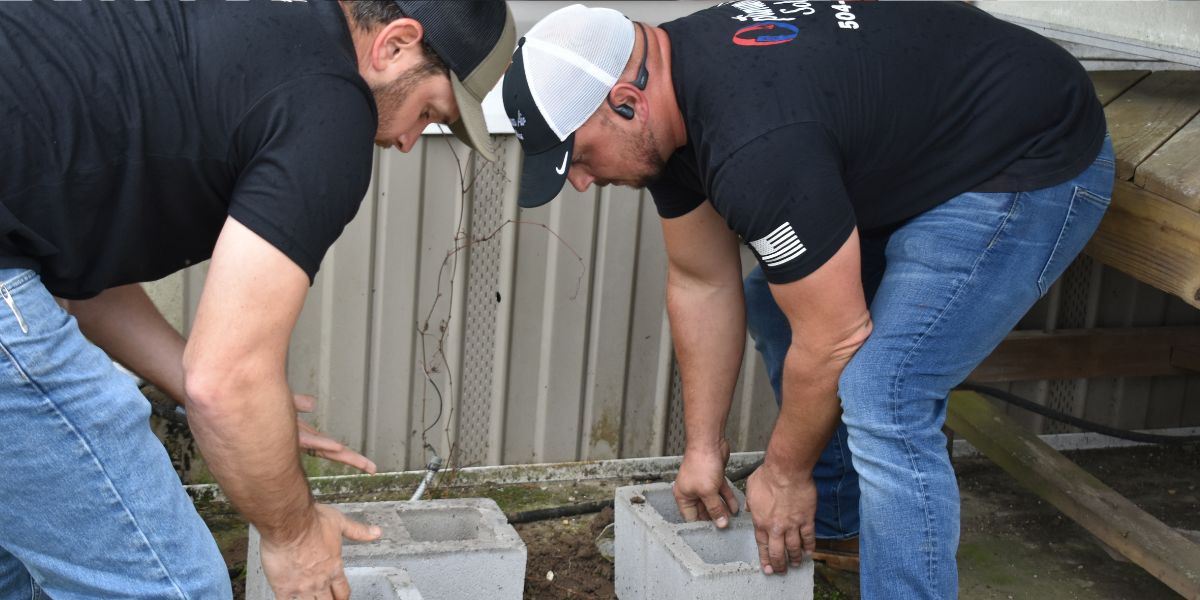
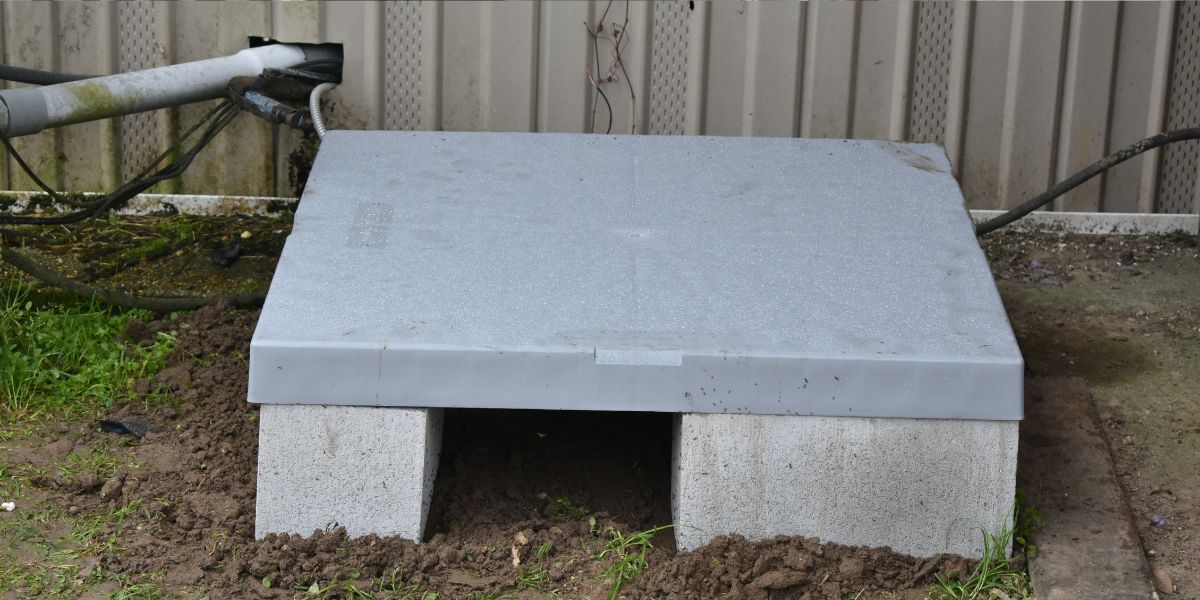
If the new unit is a different size or requires a different configuration, you might need structural changes, like modifying the platform, updating the pad, or even widening doorways for equipment access.
These changes aren’t always obvious at the start but can delay projects or inflate budgets midstream.
How to Avoid These AC Replacement Headaches
Preparation is the key to avoiding most AC replacement problems. Here’s how to get it right from the beginning.
Choose a Reputable AC Replacement Service
Not all HVAC companies operate with the same level of care. Choose a provider with experience, proper certifications, and strong reviews.
Ask whether they conduct full load calculations, inspect ductwork, and handle permits. A quality ac replacement service won’t cut corners or surprise you with hidden costs.
Insist on a Pre-Installation Assessment
A thorough pre-installation assessment includes checking duct condition, electrical compatibility, drainage, and airflow pathways.
This step should never be skipped. If a contractor wants to quote you without visiting your home, that’s a red flag.
Ask for a Detailed Estimate
Request a written quote that lists every component of the job, including materials, labor, permits, and potential adjustments.
Transparent pricing now prevents uncomfortable surprises later.
The Psychological Cost of Unexpected Setbacks
There’s a cognitive burden that comes with unexpected repair problems, especially during home renovations. The stress, the sense of being unprepared, and the regret of not having asked the right questions can linger long after the final bill is paid.
In many cases, the discomfort of the process outweighs the discomfort of the heat that prompted the AC replacement in the first place.
That’s why anticipating problems and planning carefully isn’t just a practical choice, it’s a mental safeguard. It’s about reducing uncertainty and keeping control in what is often a high-stakes situation for homeowners.
Final Thoughts: Prevent AC Replacement Problems Before They Start
AC replacement isn’t just a transaction, it’s a system upgrade that affects your comfort, energy bills, and peace of mind. When problems arise mid-project, they can quickly turn a hopeful improvement into a frustrating ordeal.
But with clear thinking, the right questions, and a reliable ac replacement service, most of these problems can be avoided entirely.
You don’t need to be an HVAC expert to get a smooth installation. You just need to be informed, prepared, and willing to slow down before signing off on a project that should keep your home cool for the next decade.
By recognizing the most common AC replacement problems ahead of time, you take the uncertainty out of the process, and step confidently into a cooler, more comfortable future.
continue reading
Related Posts

When your air conditioner finally gives out on the hottest [...]
You’re standing in your living room, sweating, frustrated. Your current [...]
Imagine this: it’s the middle of a sweltering summer afternoon. [...]