

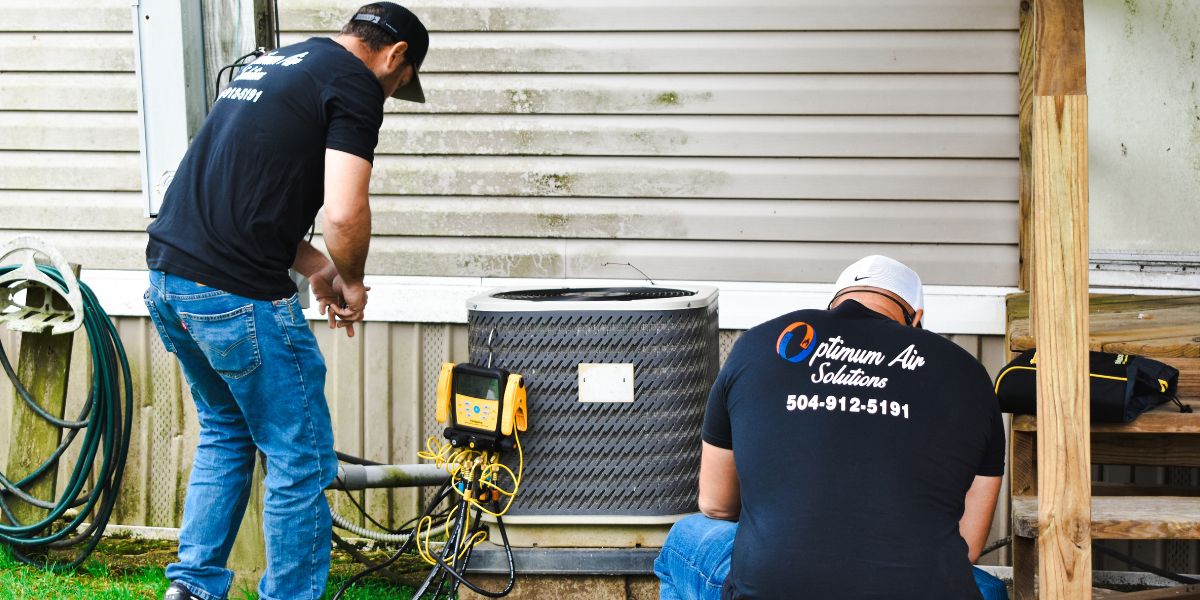
When the air stops blowing cold during a heatwave, the clock starts ticking. For many homeowners, the question isn’t just about cost, it’s about time. The uncertainty around the AC replacement time frame can add even more stress to an already uncomfortable situation. You’re hot, frustrated, and worried about how long your household will be without relief. Understanding the AC replacement time frame upfront helps set clear expectations and reduces anxiety.
Whether you’re planning ahead or your AC unit suddenly gave out, knowing what’s involved, how long each step takes, and what variables can speed up or delay the process empowers you to make informed decisions. And when you’re spending money on something as crucial as a home cooling system, peace of mind matters.
Understanding the Typical AC Replacement Time Frame
On average, replacing an AC unit takes anywhere from 4 to 8 hours. This range depends on a handful of practical factors. It’s not just a plug-and-play situation. There are technical details, safety measures, and setup steps that HVAC technicians must carefully handle.
For a straightforward job, same type of system, easy access, no major upgrades, the job might wrap up in half a day. But for older homes, complicated ductwork, or a switch from one system type to another, the time can easily extend into a full day or more.
Key Factors That Impact Your AC Replacement Time Frame
Type of AC System Being Installed
Switching out a central AC unit for another central unit? That’s often quicker. Changing from a split system to a heat pump, or adding ductless mini-splits? That takes more time. The more complex the upgrade, the longer the job.
Home Layout and Accessibility
Is your AC unit tucked in a crawlspace or mounted on the roof? Do technicians need to move large equipment through narrow hallways or steep stairs? These physical factors can dramatically affect how long the job takes.
Ductwork Repairs or Replacement
Many homeowners are surprised to learn that outdated or damaged ductwork can add several hours, or even a full day, to an AC replacement project. If your contractor discovers leaky ducts, crushed runs, or airflow imbalances, they may recommend repair or rework. This adds time, but also ensures the new system runs efficiently.
Permits and Inspection Requirements
In some cities or counties, AC replacement requires permits and post-install inspections. While the installation itself might still only take a day, the process could be delayed by permit approval or inspector scheduling. A licensed contractor will typically handle this for you, but it’s worth asking about during your AC replacement service consultation.
What Happens During an AC Replacement?
Step 1: System Removal (1–2 hours)
Technicians begin by safely disconnecting and removing the old unit. This includes handling refrigerant responsibly, cutting power, and detaching all components.
Step 2: Preparing the Site (30 minutes–1 hour)
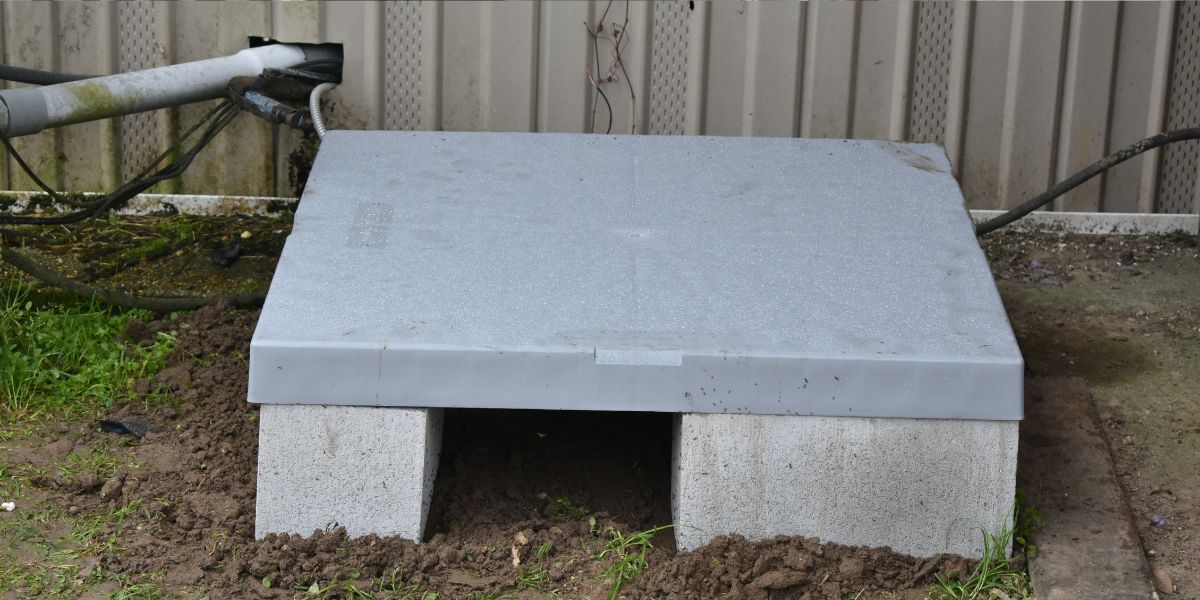
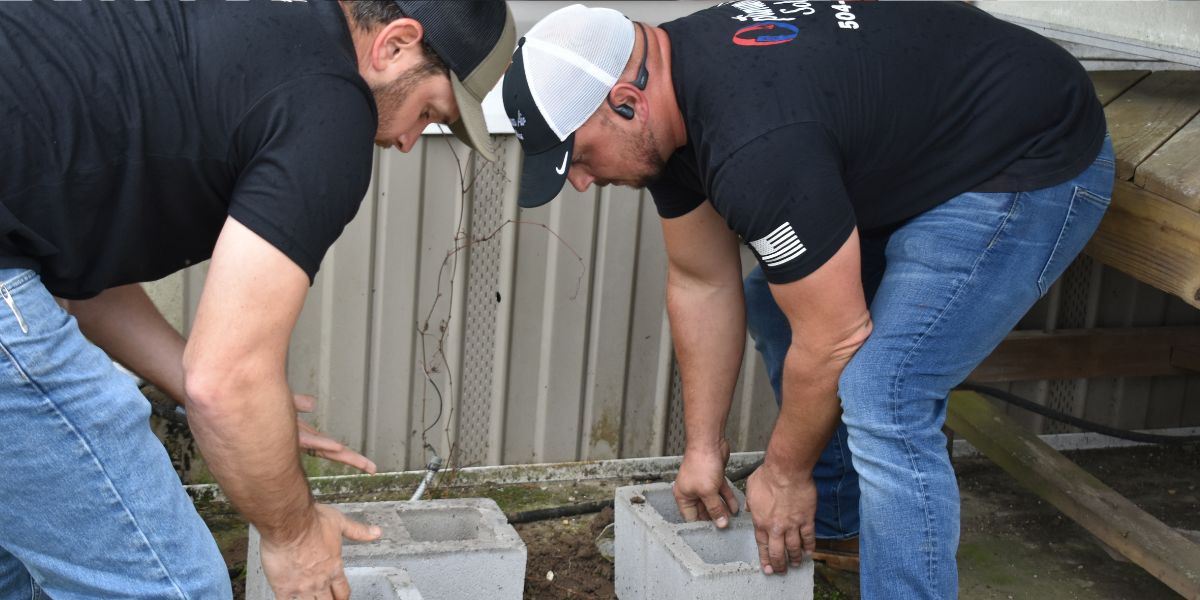
If the replacement system requires new mounting equipment, pads, or line sets, that work happens next. In some cases, technicians may need to level the ground or reinforce supports.
Step 3: New Unit Installation (2–4 hours)
This is where most of the work happens. The team installs the new condenser, connects refrigerant lines, wires up the electrical, and integrates the system with your thermostat. If you’re upgrading to a smart thermostat, that might require extra time and calibration.
Step 4: Testing and Final Inspection (30 minutes–1 hour)
Before the job is complete, your contractor will test for proper refrigerant levels, airflow, and overall system performance. They’ll walk you through how to use the system and check that everything is functioning as expected.
AC Replacement Time: When Delays Happen
Even the best-laid plans can encounter bumps. These are some of the most common reasons a job takes longer than expected:
- Unanticipated damage: Corroded coils, rotted ducts, or faulty wiring can surface once the old system is removed.
- Weather complications: Rain, extreme heat, or wind can slow outdoor work.
- Wrong parts or equipment: Occasionally, mismatched components or delivery issues cause rescheduling.
- Permitting hold-ups: If a last-minute permit is needed or the inspector is backlogged, the job could be delayed.
The good news? Reputable HVAC contractors communicate clearly and keep you informed. A reliable AC replacement service will give you a timeline before work starts and update you if anything changes.
Should You Stay Home During the Installation?
Yes, or at least be nearby. Installers may need access to breakers, attic spaces, or thermostat settings inside your home. Being present helps move the process along and allows you to ask questions in real time.
That said, you don’t need to hover. A trustworthy crew works efficiently and safely without constant supervision. Think of it like waiting for a delivery: you don’t need to stand by the door, but you should be available when needed.
Planning for a Smooth AC Replacement
To make sure everything goes according to plan, here are a few simple things you can do:
- Clear the area around both your indoor and outdoor AC units. Move furniture, toys, and debris out of the way.
- Secure pets to keep them safe and out of the installers’ path.
- Discuss expectations with your contractor in advance. Ask how long the job should take and what you can do to help.
- Ask about potential upgrades like a more efficient model or smart controls, which might add some time but increase long-term comfort and energy savings.
How Timing Affects Cost
While time and cost are separate considerations, they are linked. Longer installations may lead to higher labor costs. If your installer needs an extra technician or returns for a second day, that adds to your total bill.
However, the lowest cost is not always the best deal. A fast, cheap install may skip critical steps like testing refrigerant levels or sealing ducts, which reduces system lifespan. It’s better to prioritize quality, especially with something as essential as home cooling.
Final Thoughts: Time Well Spent
A comfortable home is more than just a luxury, it’s a necessity, especially in high temperatures. While no one likes the idea of being without AC for even part of a day, understanding the typical AC replacement time frame helps reduce the uncertainty and makes the process smoother.
From system removal to full operation, the process usually takes less than a day. With proper planning, clear communication, and the right AC replacement service, the temporary discomfort pays off with years of reliable, energy-efficient cooling.
If your AC is showing signs of wear or frequent failure, don’t wait until it quits completely. Acting early gives you more control over both your budget and timeline, and helps you avoid suffering through days of unexpected heat.
continue reading
Related Posts

When your air conditioner finally gives out on the hottest [...]
You’re standing in your living room, sweating, frustrated. Your current [...]
When your air conditioner fails, the instinct is to replace [...]