


Replacing an air conditioning system often feels like a straightforward transaction, pick a new unit, pay for it, get it installed, and enjoy cooler air. But for many homeowners, the experience unfolds differently. What seems like a clear price quote often blooms into a series of unexpected expenses. These AC replacement hidden costs can catch you off guard and push your budget well beyond what you anticipated.
Understanding these AC replacement hidden costs early can help you plan more accurately and avoid the frustration of being blindsided. In this article, we’ll break down what’s often left out of the sticker price, why these costs appear, and how to prepare for them.
Why the Price You See Isn’t the Price You Pay
The quote for a new AC unit usually reflects the cost of the unit itself and basic installation. But homes vary. Electrical systems, ductwork, insulation, and even local regulations can turn a standard job into a complex project.
That’s where the hidden costs come in, not because someone is trying to mislead you, but because real-world homes rarely match the textbook example. So if you’re budgeting for an AC replacement service, it’s wise to dig deeper into what’s actually included.
Common AC Replacement Hidden Costs to Watch For
Electrical Upgrades
Many older homes weren’t built to handle the power demands of modern air conditioning systems. If your current electrical panel is outdated, it may not safely support the new unit.
Hiring a licensed electrician to upgrade the panel, wiring, or circuit breakers can cost several hundred to a few thousand dollars, depending on the complexity. These upgrades are critical for safety and performance, but they’re rarely included in a base estimate.
Ductwork Modifications
Your new AC might be more efficient, but that efficiency is only realized if your ducts can handle the airflow. Undersized or leaky ducts can cause your system to work harder, increasing energy costs and wear over time.
Inspecting, repairing, or even replacing sections of ductwork is a common additional cost in AC replacement. If your current setup is incompatible with the new system’s capacity, this step isn’t optional, it’s essential.
Permit Fees and Code Compliance
Many cities and counties require permits for HVAC installation. Your contractor might handle this on your behalf, but the cost, anywhere from $50 to several hundred dollars, is usually passed on to you.
In some cases, inspectors may require updates to bring your system up to current building codes. Whether it’s grounding an electrical component or adding a disconnect box, these code-related changes can increase costs.
Removal and Disposal of Old Unit
Don’t assume your contractor will haul away the old unit for free. Removal and proper disposal often come with an extra fee. This is especially true if your system contains refrigerant that must be legally and safely reclaimed.
Some contractors bundle this cost in, others don’t. It’s one of those details that’s easy to overlook until it’s added to your final bill.
Upgraded Thermostats and Controls
New AC systems are often compatible with smart thermostats or require specific controls to function optimally. If your existing thermostat isn’t compatible, you may need to purchase a new one.
A basic replacement might be inexpensive, but smart or programmable thermostats can cost significantly more. Even if you want to keep your old thermostat, your technician may recommend an upgrade for energy efficiency or compatibility.
Site Preparation and Structural Changes
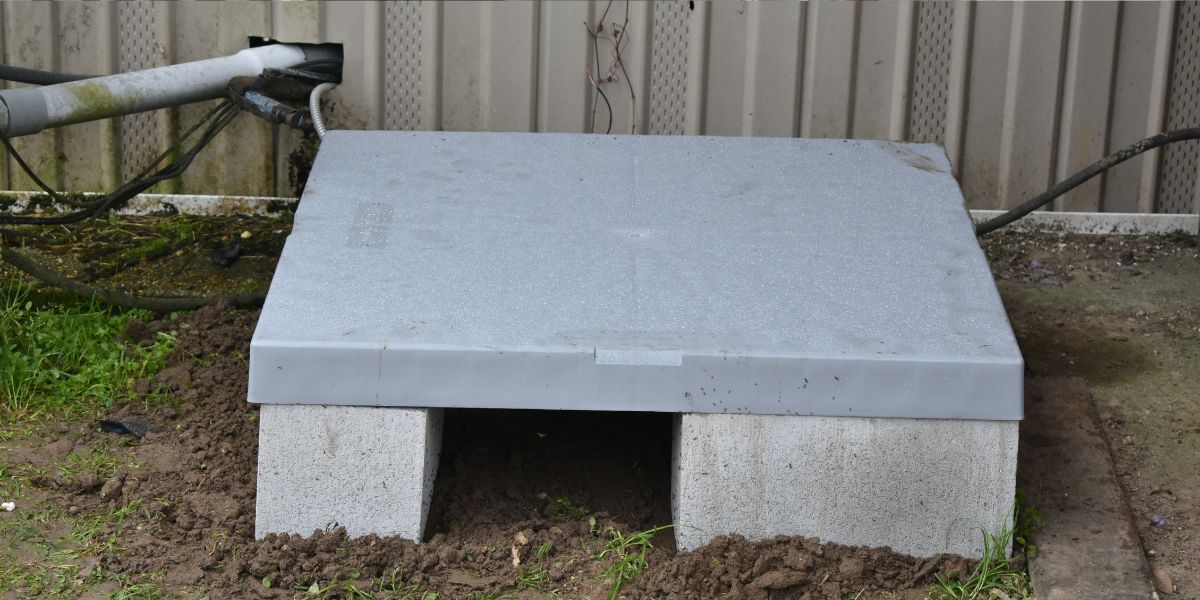
Some installations require more than just swapping out old equipment. For instance, if your outdoor condenser pad is damaged or improperly positioned, it may need to be replaced or relocated.
Similarly, if you’re moving to a different type of system (e.g., from a split system to a mini-split), some structural changes might be necessary. Cutting into walls, patching drywall, or adding insulation all bring additional labor and material expenses.
Refrigerant Costs
Newer units often use different refrigerants than older systems. If your contractor needs to charge the new system, or safely remove and handle refrigerant from the old one, this may come with an environmental fee or refrigerant charge cost.
These aren’t massive charges individually, but they add up, especially if your project already includes electrical and ductwork modifications.
How to Anticipate and Manage Hidden Costs
Ask for a Detailed Estimate
A single figure quote doesn’t help you anticipate surprises. Ask for a line-item breakdown that includes:
- Equipment costs
- Labor charges
- Permit fees
- Potential electrical or ductwork needs
- Disposal and cleanup
Contractors who provide transparent, itemized quotes are more likely to help you plan accurately and avoid last-minute charges.
Get a Home Assessment
Request a pre-installation home assessment. A good technician will evaluate your current electrical system, ductwork, and existing AC layout to foresee potential problems.
This upfront assessment can uncover whether you’ll need additional upgrades and helps you understand the full scope of the job, not just the basic unit replacement.
Prioritize Compatibility
If you’re replacing only part of your system (for example, just the outdoor unit), be aware of system compatibility issues. Mixing components from different models or manufacturers can reduce efficiency or even void warranties.
Incompatibility might require you to replace more than you initially planned. Again, a full system check can prevent this surprise.
Build a Contingency Budget
Assume your final cost could be 10–20% higher than your initial quote. Setting aside this buffer helps you stay financially comfortable if unexpected issues arise. If everything goes smoothly, that’s money you still have.
Choose the Right AC Replacement Service Provider
Not all HVAC contractors offer the same level of transparency. Work with a licensed, reputable AC replacement service that communicates clearly, performs in-depth assessments, and doesn’t cut corners.
Cheaper upfront quotes may skip important checks or leave out key components that show up later on your invoice.
Long-Term Costs That Aren’t Always Discussed
Maintenance Requirements
Your new system may require specific maintenance protocols to keep the warranty valid. If you’re switching to a high-efficiency model, regular filter changes and professional tune-ups might become even more important.
While this isn’t a “hidden” cost in the traditional sense, it’s an ongoing cost of AC ownership that’s easy to overlook when focused on purchase and installation alone.
Energy Usage Surprises
Yes, newer systems are more efficient, but only if everything else in your home supports that efficiency. Poor insulation, aging windows, or neglected ducts can prevent you from seeing the lower energy bills you expect.
In some cases, a homeowner ends up disappointed with their energy savings, not because the AC unit is faulty, but because the environment around it is inefficient.
Conclusion: Awareness Saves You Money
No one likes unexpected expenses. But they’re easier to manage if you see them coming. The key to minimizing AC replacement hidden costs is preparation: know your home, ask good questions, and work with contractors who value clarity over quick deals.
Replacing your AC is more than swapping out a machine, it’s a tailored process with multiple variables. When you understand those variables, you gain control over your budget, your comfort, and your peace of mind.
continue reading
Related Posts

When your air conditioner finally gives out on the hottest
You’re standing in your living room, sweating, frustrated. Your current

When your air conditioner fails, the instinct is to replace