

It’s the middle of summer, and all you want is a cool, comfortable home. You switch on your air conditioner, expecting that familiar rush of refreshing air, but instead, it’s warm. Suddenly, your home feels more like an oven, and frustration sets in.
If your air conditioner is blowing hot air, it’s more than an inconvenience. It’s a signal that something isn’t working as it should. Some issues are simple, while others point to deeper mechanical or electrical problems. Understanding the potential causes can help you take the right next step, whether that means a DIY fix or calling in a professional.
Start Simple: Thermostat Settings
Sometimes, the cause is as straightforward as incorrect settings on your thermostat. Maybe someone accidentally switched it from “cool” to “heat,” or the fan is set to “on” instead of “auto.” In the latter case, the fan blows air continuously, even when the system isn’t actively cooling it.
Double-check the thermostat settings first. Make sure it’s set to “cool” and that the target temperature is lower than the current room temperature.
Air Filters: Small Part, Big Impact
Dirty air filters are one of the most overlooked causes of AC trouble. When filters are clogged, airflow gets restricted. This can lead to frozen evaporator coils, which ironically results in warm air being pushed through your vents.
Replacing your filters regularly, usually once a month during peak usage, can help maintain airflow and system efficiency. It’s a small step that makes a big difference.
Low Refrigerant: No Cool Without It
Refrigerant is what allows your system to pull heat from the air. If your system is low on refrigerant, it can’t effectively cool your home. Low levels often indicate a leak, which needs to be found and fixed before the refrigerant is recharged.
Look for signs like hissing sounds, reduced cooling, or ice forming on the lines. These point to a potential refrigerant issue, which should always be handled by a licensed HVAC company.
Power Problems: When Parts Don’t Communicate
Sometimes your indoor unit seems to be running, but the outdoor compressor isn’t doing its job. If the compressor doesn’t turn on, the system can’t remove heat from your home.
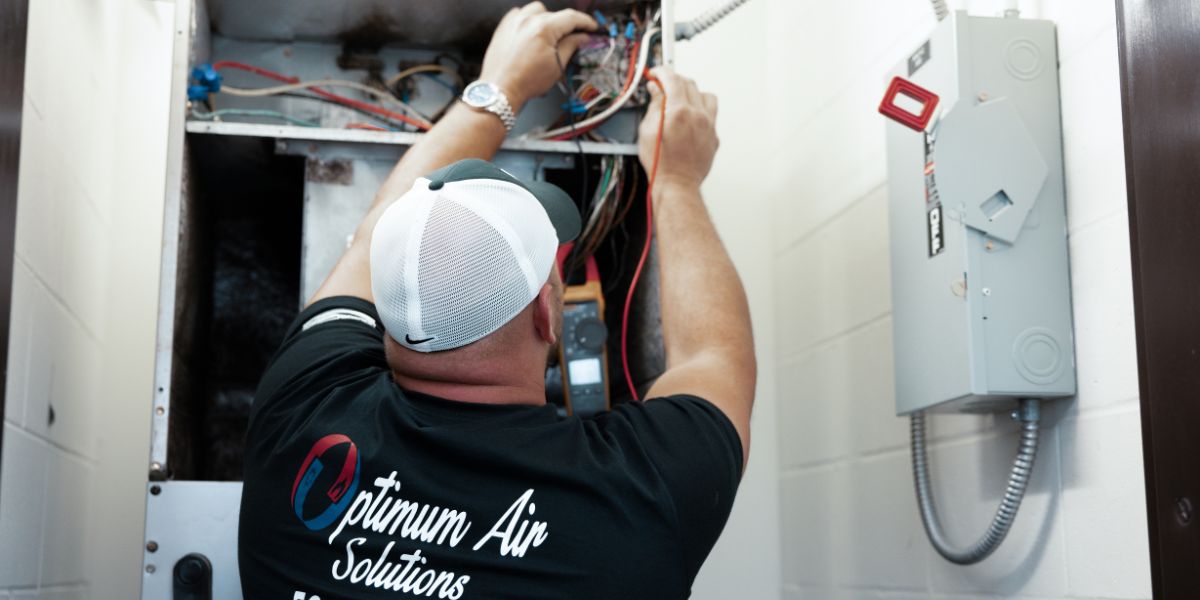
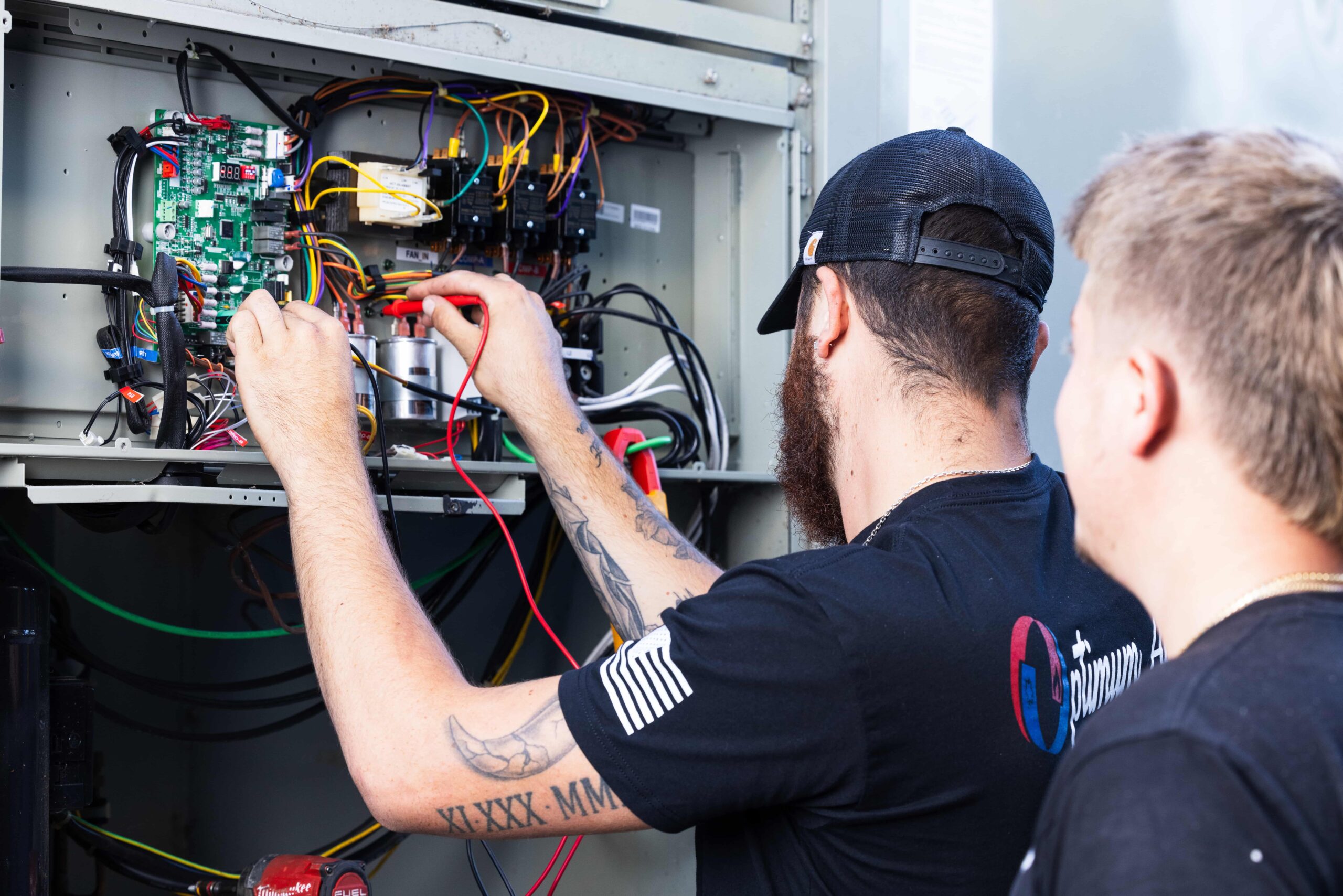
This issue is often tied to electrical problems such as a tripped breaker, blown fuse, or faulty wiring. Because of the risk involved, it’s important to leave electrical repairs to trained professionals.
Dirty Condenser Coils: A Heat Exchange Breakdown
Your outdoor condenser coils play a critical role in releasing heat from your home. But if they’re dirty or blocked by debris, they can’t work effectively. That trapped heat ends up getting recirculated indoors.
Leaves, grass, dirt, and pollution can accumulate over time. Keeping the area around the outdoor unit clear and having the coils cleaned periodically helps your system perform better under pressure.
More Serious Failures: When Repairs Aren’t Optional
Not all problems are minor. If your system is older or hasn’t been maintained regularly, more serious components like the compressor, capacitor, or expansion valve could be failing. These types of problems are beyond quick fixes and will require a professional inspection.
If your system is over 10–15 years old and you’re facing frequent breakdowns, it may be time to consider whether repairs are worth it, or if a new unit would be more cost-effective in the long run.
Why Preventive Maintenance Matters
The best way to avoid finding your AC blowing hot air on the hottest day of the year? Regular maintenance. An annual checkup typically includes cleaning coils, inspecting electrical components, checking refrigerant levels, and replacing filters.
These routine steps prevent most common issues and help extend the life of your system. Prevention is far less expensive than emergency repair.
What You Can Fix vs. When to Call a Pro
Not every situation calls for an HVAC technician. Here are a few things you can safely check yourself:
- Confirm your thermostat is set correctly
- Replace or clean air filters
- Clear leaves or debris from around your outdoor unit
However, if you suspect a refrigerant leak, electrical issue, or mechanical failure, it’s time to bring in a certified residential HVAC contractor. DIY repairs in these areas can be dangerous and may void your warranty.
When It’s Time to Call for Help
Still unsure? These are common signs that your AC needs professional attention:
- Warm air blowing from vents despite the system running
- Hissing, buzzing, or banging noises
- Ice forming on refrigerant lines or the outdoor unit
- Constant cycling on and off
- Sudden increases in your energy bill
Ignoring these signs can lead to bigger, costlier problems.
Act Now, Save Later
The longer a problem goes unaddressed, the more complicated, and expensive, it often becomes. What starts as your AC blowing hot air could lead to full system failure if you continue running it without resolving the root issue.
Addressing the problem early means less stress, lower bills, and a faster return to comfort.
Bringing Back the Comfort
When your air conditioner blows hot air, it’s natural to worry. But often, the issue is fixable, sometimes in just a few minutes. Understanding what might be wrong empowers you to act quickly and avoid prolonged discomfort.
Whether it’s a simple adjustment or a professional-level repair, the goal is the same: to restore your home’s comfort and your peace of mind. Don’t wait for the situation to worsen. The sooner you act, the sooner cool air returns, and with it, relief.
continue reading
Related Posts

Walking into a cool house after a hot day? Awesome.