


When the temperatures drop and your heater becomes the most valuable appliance in your home, there’s a silent anxiety that creeps in. Will it make it through the season? No one wants to deal with a surprise breakdown in the middle of a cold snap. That’s why a heating system checkup isn’t just a good idea, it’s essential.
For many homeowners, heating problems only become top-of-mind after something goes wrong. But by then, it’s often too late. A checkup can catch issues before they spiral, keep your system running efficiently, and ultimately help lower your energy bills. If your heating system checkup has been overdue, now’s the time to understand what it actually involves, and why it matters.
Let’s walk through what’s included, what you can expect, and why this simple service can save you money, stress, and cold nights.
Why a Heating System Checkup Isn’t Optional
A heating system checkup is more than just a quick look at your thermostat. It’s a preventative inspection that aims to identify small problems before they become big ones. Skipping this step is like ignoring a low-tire warning light, you might make it another few miles, but the damage is building underneath.
During peak winter months, heating systems run longer and harder. Dirt builds up. Wear and tear accelerates. Components strain. Without regular attention, efficiency drops and the risk of sudden failure increases.
And here’s the frustrating part: most of these failures are preventable. That’s why professional checkups are not just a safety net, they’re a smart decision for your comfort and budget.
What’s Included in a Professional Heating System Checkup
Let’s break down what actually happens during a checkup. While details may vary slightly depending on your system and HVAC company, most inspections follow a standard set of procedures:
Visual and Mechanical Inspection
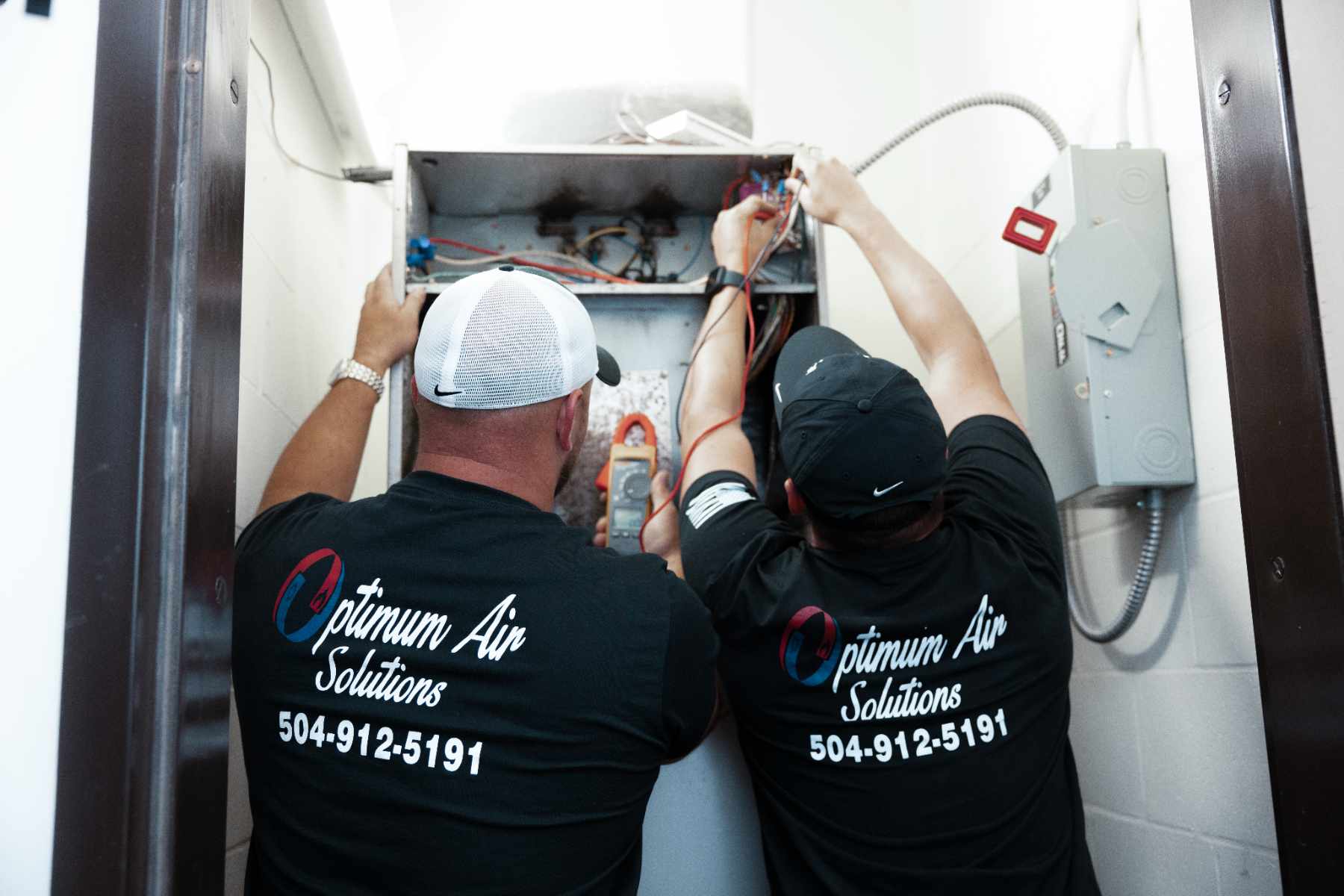
The technician starts with a thorough visual inspection of your heating unit. They check for obvious signs of wear, frayed wires, rust, leaks, or cracks in the heat exchanger. This step ensures that no immediate safety hazards go unnoticed.
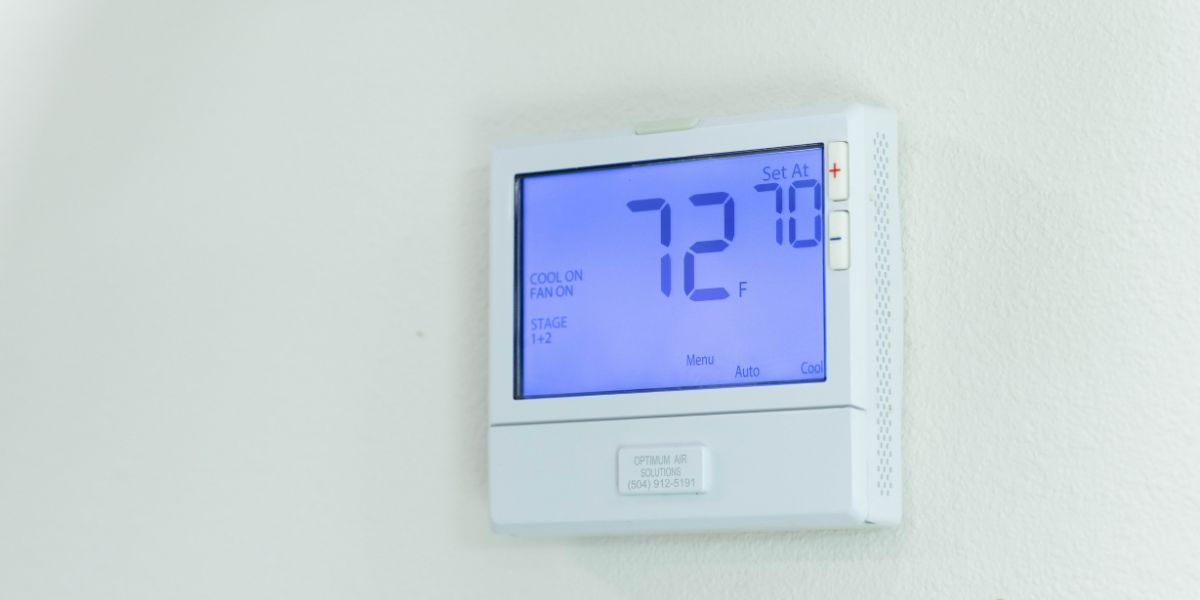
They’ll also test the thermostat to confirm it’s communicating properly with the system. Sometimes, what feels like a heating issue is just a miscalibrated thermostat.
Cleaning Components That Affect Efficiency
Dust, debris, and soot can collect inside your unit over time, especially around the burners or heat exchangers. A good checkup includes cleaning these areas to improve airflow and heat output.
Dirty components force your system to work harder, which leads to higher energy usage and a shorter lifespan for your unit. Regular cleanings during your heating maintenance visit help keep things efficient.
Checking Electrical Connections and Safety Controls
Loose electrical connections or faulty wiring can lead to serious issues, from short cycling to complete shutdowns. During the checkup, all electrical components are tested for proper voltage and secured if needed.
Safety controls like limit switches or pressure sensors are also reviewed. These are the parts that shut off the system if something goes wrong. If they’re not working properly, your system could either shut down unnecessarily or keep running when it shouldn’t.
Testing Gas Pressure and Burner Operation
If you have a gas furnace, the technician will inspect the gas line connections and test the burner flames. They’re looking for consistent, blue flames. Yellow or flickering flames could indicate incomplete combustion, which reduces efficiency and could even release dangerous carbon monoxide.
Measuring gas pressure ensures that your system is receiving the proper fuel-to-air ratio. This has a direct impact on how well your system heats your home.
Examining the Heat Exchanger for Cracks
This part is critical. The heat exchanger is responsible for separating combustion gases from the air that circulates through your home. If it cracks, it can leak carbon monoxide, a serious health risk.
Technicians often use mirrors or special tools to inspect hard-to-reach parts of the exchanger. If a crack is detected, the unit may need to be replaced. While this can be costly, discovering it early can prevent a dangerous situation.
Inspecting Air Filters and Ductwork
Air filters that are clogged with dust restrict airflow. That makes the system work harder and overheat, potentially triggering shutdowns. During a checkup, filters are inspected, and if necessary, replaced.
Your ductwork also plays a role in performance. While not always part of the standard inspection, many HVAC professionals will do a quick check for visible gaps or blockages that might be hurting your system’s efficiency.
What a Heating System Checkup Can Save You
It’s easy to see a checkup as just another expense. But when you look closer, the math favors the proactive homeowner.
- Lower energy bills: A clean, well-tuned system uses less energy to heat your home.
- Fewer repairs: Catching small issues early means you’re not dealing with emergency breakdowns.
- Longer system lifespan: Just like a car, a regularly maintained heater lasts longer.
- Safer operation: Preventing carbon monoxide leaks or electrical failures is worth far more than the checkup itself.
Neglecting maintenance often leads to expensive surprises. Investing in a seasonal checkup offers peace of mind, and avoids the cost of last-minute service calls during freezing nights.
How Often Should You Schedule a Heating System Checkup?
Most experts recommend having your heating system checked at least once a year, preferably before the winter season kicks in. If you live in a colder climate or have an older system, twice a year might be better.
It’s also wise to schedule your heating maintenance early in the fall before technicians are booked solid with emergency calls.
Choosing the Right HVAC Company for the Job
Not all technicians provide the same level of detail. When choosing a reliable HVAC company, look for one that specializes in preventive maintenance and has a good track record for service quality.
Read reviews. Ask about what’s included in their checkup package. A good company will walk you through the process and explain any recommendations in clear, honest terms.
Also, check if they offer maintenance plans. These plans often include two visits a year (heating and cooling), priority service, and discounts on repairs, making them a solid option for long-term peace of mind.
Final Thoughts
A heating system checkup isn’t just a checklist, it’s your safety net for winter. It keeps your system efficient, your home warm, and your wallet intact. Most importantly, it gives you confidence that your heat will be there when you need it most.
Whether you’re preparing for the cold or just want to avoid another surprise repair bill, now’s the time to act. Don’t wait for something to break. Get ahead of the problem, because the best time to fix your heating system is before it fails.
If you haven’t scheduled your checkup yet, make it a priority. A little time now can spare you a lot of stress later.
continue reading
Related Posts

When your heating system stops working in the middle of
When winter sets in, most households face a familiar dilemma: