
Cold mornings here in Belle Chasse aren’t just a pain; they can get expensive and even be risky if your heater quits when you need it most.
That’s when folks realize they should have booked a furnace check-up weeks back.
So, what’s a furnace check-up all about?
Knowing what happens during a pro check-up helps you make better choices about keeping your home comfy and safe. Plus, you won’t have to guess when picking a service company. This isn’t about selling you stuff you don’t need but protecting your home.
Let’s go over what’s usually part of a furnace check-up in Belle Chasse and why each thing matters more than you might think.
Why Check-Ups Are a Must
“Think of furnace check-ups like changing your car’s oil, not exciting, but essential for smooth operation. Regular furnace maintenance in Belle Chasse helps you avoid costly breakdowns before they happen.”
The catch is that furnaces usually give warning signs before they die.
Before a furnace quits, it usually shows hints, weird sounds, higher bills, or uneven heating. A good tech spots these early and stops problems from snowballing.
In Belle Chasse, the weather changes a lot. This means your heating works harder than you think. Little problems add up fast, and without upkeep, these turn into big, pricey issues.
What’s Really Included in a Furnace Check-Up?
A good check-up is more than a quick look. It’s a full look, clean, and tweak to find problems early and keep things running great. Checklists might vary, but here’s what a good check-up should always have:
1. Looking at Everything
The tech starts by looking over everything on the furnace. This covers:
- Checking the heat thingamajig for cracks
- Looking at the blower motor and fan for dirt or damage
- Checking belts for wear
These things can show hidden problems that haven’t caused any trouble yet.
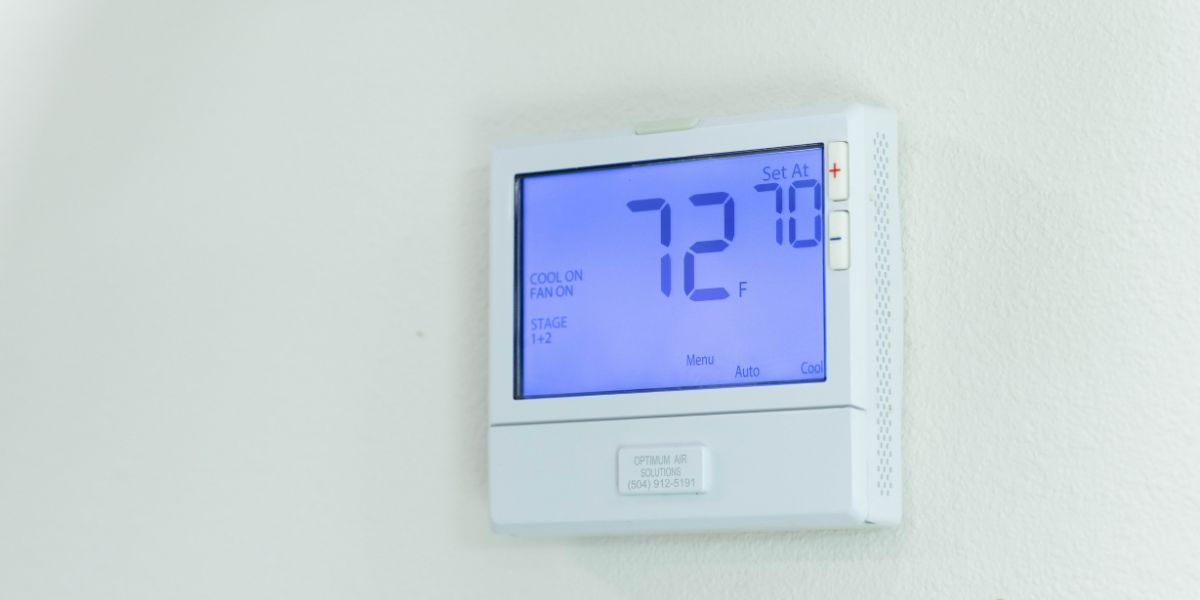
2. Adjusting the Thermostat
The thermostat controls your heating.
If it’s wrong, your home won’t get to the right temp. The tech checks and adjusts the thermostat to match what the system is doing. This helps comfort and saves energy without replacing anything.
3. Checking and Changing the Air Filter
Dirty air filters are a big cause of furnace problems.
When filters are dirty, air can’t flow as well. This makes your heater work harder, costing more energy and wearing out faster. During a check-up, the tech checks the filter and swaps it if needed.
This keeps your furnace running longer and helps your indoor air.
4. Tightening Electrical Stuff
Loose or rusted electrical stuff can bust your system, or even cause a fire.
A good check-up includes looking at all electrical parts and tightening things up. They’ll point out loose wires or heat damage for fixes.
5. Safety First
Safety is super important, especially with gas furnaces.
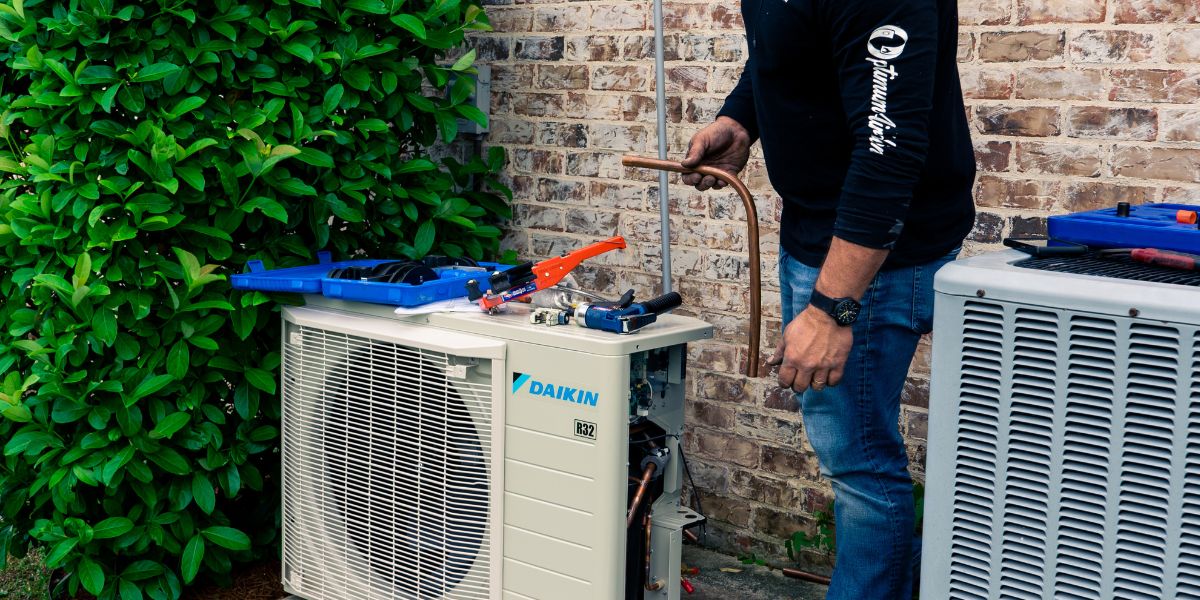
Techs check for gas leaks and make sure the flame sensor, ignition, and gas valve are working right. These can break down in older systems, and even a small issue can be risky.
6. Cleaning the Blower Area
Dust in the blower area cuts down on how well it works.
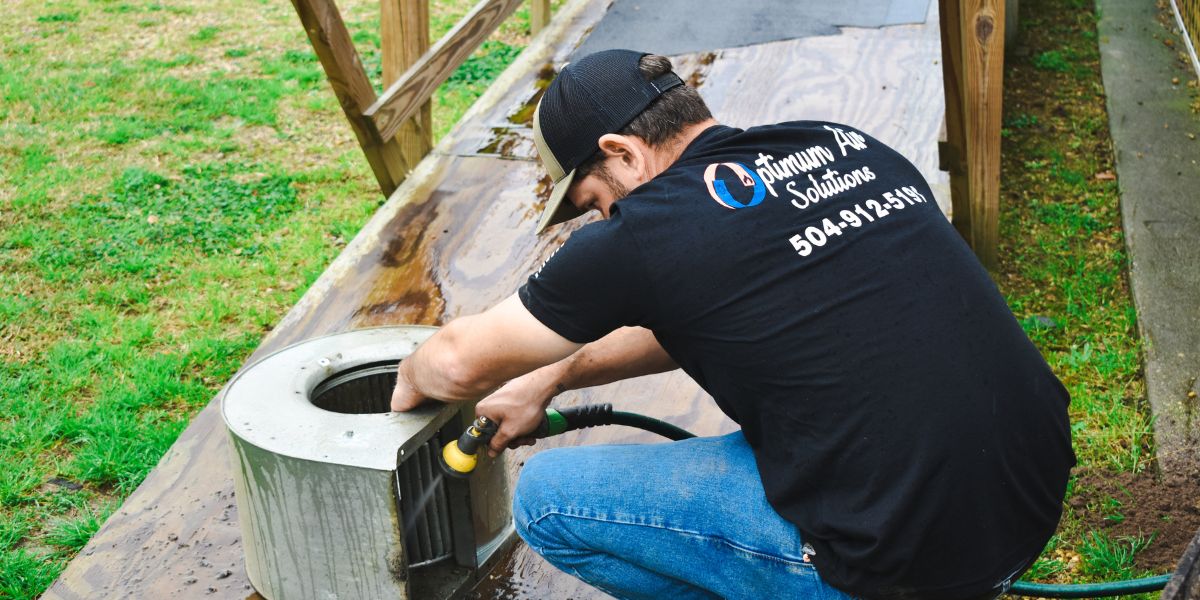
The tech vacuums the area and cleans the blower fan. Clean airflow means better heating and lower bills.
7. Oil on the Moving Parts
Furnaces have moving parts that need grease.
Without it, things rub and wear out early. A check-up includes greasing up motors, bearings, and fans, which helps them last longer and saves energy.
8. Try Starting the Furnace
A start-up test sees how the system works when you turn it on.
This makes sure the furnace starts easy, lights right, and shuts off like it should. A problem here could mean a bad sensor or control board.
9. Vent Check
For gas furnaces, the vent sends bad gases out of your house.
A blocked vent can cause gas poisoning. Techs make sure the vent is clear and strong, keeping you safe.
10. Airflow and Heat Test
Lastly, techs test the heat difference between the air coming in and going out.
This shows how well your furnace heats. Bad numbers can mean airflow problems or a heater that’s too small.
Real Value: No Worries
It’s easy to see furnace check-ups as just another bill. But the real win is dodging big repairs, high bills, or freezing nights waiting for help.
A pro check-up saves cash by cutting down on system strain and helping it last longer. Even a small boost in how efficient it is adds up over the winter.
Plus, many companies want proof of check-ups to keep your warranty good. That can save you from big repair costs.
Best Time for a Check-Up?
In Belle Chasse, early fall is best, before it gets cold.
Waiting until winter might mean longer waits or problems when you need heat the most. Lots of homeowners also do a fall HVAC check, especially if they have a heat pump or AC.
If you haven’t booked this year’s check, now’s the time.
Pick a Local Pro Who Knows Belle Chasse Homes
Furnaces aren’t all the same, and houses here have different heating needs.
“From old houses with duct issues to new builds with advanced systems, the key is choosing an HVAC company in Belle Chasse that understands local needs. Experience in the area makes all the difference.” Local techs know the weather and how humidity messes with system parts. They can also suggest the right check-up plan for your furnace.
Last Thoughts: Keep Your Home Comfy
If you’ve been cold because of a furnace breakdown, you know how bad it is.
A furnace check-up isn’t just upkeep, it’s stopping problems. It’s choosing to handle things early.
If you want to keep your system working well, safely, and for a long time, doing regular furnace upkeep in Belle Chasse is a smart move for your home.
Don’t wait for your furnace to tell you something’s up. By then, it might cost way more than a simple check-up.
continue reading
Related Posts
Nobody wants a freezing house in winter, right? In Belle

Picture this: it’s freezing, and your furnace dies. You’re stuck
“Comfort is the quiet hero of any home.” Heating and