

When your heating system stops working, it’s more than an inconvenience, it’s a disruption. Whether it’s a chilly evening in New Orleans or an early morning in Belle Chasse, no one likes to wake up to a cold home and no clue what’s gone wrong. Most homeowners don’t know what happens during heating repair, which only adds to the stress.
They wonder: Will it be expensive? How long will it take? Is it something serious or a quick fix?
Understanding what happens during heating repair removes uncertainty. It helps you prepare mentally and financially and makes the process smoother.
Let’s break it down so you know exactly what to expect when the technician arrives.
What Happens During Heating Repair? A Step-by-Step Look
The process of a heating repair visit isn’t random. Technicians follow a logical sequence designed to diagnose and fix the issue efficiently. From the moment they step into your home, every action has a purpose.
Arrival and Initial Discussion
The visit usually starts with a few simple questions.
The technician will ask what symptoms you noticed. Did the heat stop suddenly? Are there strange noises? Is the air blowing but not warm?
This short conversation helps them narrow down the possible issues even before they open their toolbox. They’ll also likely ask how old your system is and whether you’ve had similar problems in the past.
This initial exchange isn’t just small talk, it’s a key part of troubleshooting.
System Inspection Begins
Next comes a visual inspection.
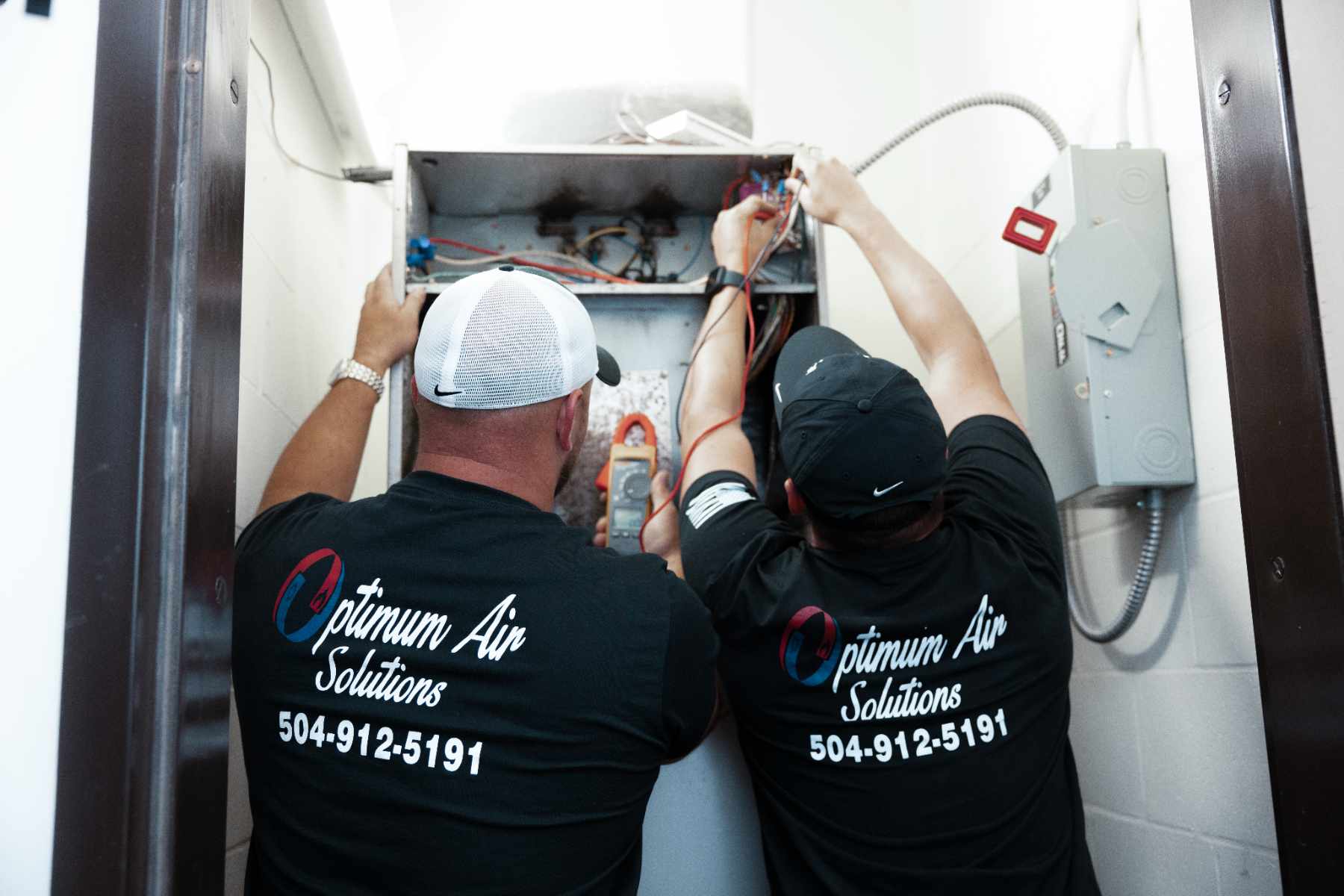
They’ll examine the furnace or heat pump, thermostat, electrical connections, and air filters. In many cases, problems show up in plain sight, burnt wiring, clogged filters, or a blinking error light on the control board.
They’re looking for clues. A good technician doesn’t just fix the symptom. They want to find the cause.
Diagnostic Testing
Once the basics are checked, the technician moves to more specific tests.
This may include:
- Measuring voltage and current flow
- Checking for gas leaks or ignition issues
- Monitoring temperature readings
- Inspecting the heat exchanger for cracks
- Testing the blower motor and control board
This stage can vary depending on your heating system type, gas, electric, or heat pump, and the model. But the goal is always the same: pinpoint the issue and confirm it with objective data, not just guesswork.
Discussing the Problem and Next Steps
Once they know what’s wrong, the technician explains the issue in simple terms.
They’ll outline what needs to be fixed, whether parts are available, how long it might take, and what the cost looks like. You get to decide whether to go ahead with the repair.
This is an important moment. It’s not just about pricing. A good technician will also help you weigh short-term repair costs against the long-term health of your system.
For example, if your unit is over 15 years old and keeps needing repairs, they may suggest planning for a replacement soon, even if today’s issue is fixable.
Carrying Out the Repair
If you agree, the technician moves forward with the repair.
Depending on the issue, this might involve:
- Replacing a thermostat
- Cleaning or replacing dirty filters
- Fixing wiring or circuit issues
- Swapping out a broken blower motor or igniter
Some fixes take 15 minutes. Others might take a couple of hours. But most service calls can be completed in one visit, especially if it’s a common issue and the technician has the necessary parts on hand.
If a special part is required, they’ll explain the delay and schedule a follow-up.
Final System Check
After the repair is complete, your system isn’t just turned back on and left to run. The technician performs a full functionality test.
They’ll:
- Recheck safety settings
- Make sure all connections are secure
- Calibrate the thermostat if needed
- Confirm proper air flow and temperature output
This ensures your system isn’t just running, it’s running as it should.
What You Can Do Before and After the Visit
You can make the visit more efficient with a few simple steps:
- Clear space around the furnace or heat pump
- Write down any unusual behavior you noticed
- Know how old your system is and when it was last serviced
After the repair, stay alert. If something doesn’t seem right in the next few days, unusual sounds, inconsistent heat, or an error code, call your technician back. Most companies offer a short-term warranty on labor and parts.
Why Regular Maintenance Helps Avoid Emergency Repairs
Many heating problems come down to poor maintenance. Dirty filters, neglected tune-ups, and unchecked wear eventually lead to breakdowns.
Getting annual servicing can help you avoid those surprise visits altogether. During a tune-up, technicians check many of the same components involved in repair visits, allowing them to spot issues before they escalate.
If you’re based locally, scheduling heating repair in New Orleans or heating repair in Belle Chasse with Optimum Air Solution could make the difference between a five-minute fix and a full system replacement down the road.
Common Heating Repair Issues Technicians See
Some problems show up more than others. Knowing the usual suspects can help you stay alert:
- Dirty filters that restrict airflow
- Faulty thermostats sending wrong signals
- Worn-out blower motors or belts
- Ignition control failures in gas furnaces
- Tripped breakers or blown fuses
- Frozen coils in heat pumps during cold snaps
While some issues are easy to fix, others can be dangerous if ignored, like carbon monoxide leaks or electrical shorts.
Is It Worth Repairing or Should You Replace the System?
If you’ve needed more than one heating repair in the past year, it’s worth considering your options.
A good rule of thumb: if the repair costs more than 50% of what a new system would cost, and your current system is over 10-12 years old, it may be time to replace.
But that decision depends on your budget, comfort needs, and how well the system has been maintained over the years.
Your technician can walk you through the pros and cons.
Final Thoughts: Knowing What to Expect Reduces the Stress
When your heating stops working, it’s easy to feel powerless. Cold air and unknown costs don’t make a great combination.
But when you know what happens during heating repair, you’re not left guessing. You understand the process. You know what questions to ask. And you’re better prepared to make informed decisions.
Whether it’s a quick fix or a bigger issue, a well-executed repair visit is about more than restoring heat, it’s about restoring peace of mind.
continue reading
Related Posts
When the temperatures drop and your heater becomes the most [...]
You open your monthly bill and pause, again. The number [...]

When your heating system stops working in the middle of [...]