


You open your monthly bill and pause, again. The number seems higher than last month. In fact, it’s been climbing steadily, and now you’re wondering: why is my heating bill too high, and what can I do about it?
If you’ve been thinking, “Why is my heating bill too high?” you’re not alone. This isn’t just about money, it’s about the growing frustration of paying more without feeling any warmer. And if this has become a pattern in your home, it’s time to look deeper. Understanding the root causes can help you avoid spending unnecessarily and finally take back control of your indoor comfort.
Common Reasons Your Heating Bill Is Too High
We tend to blame the weather first. Colder-than-usual winters can stretch your heating system’s limits. But while outside temperatures play a role, they’re rarely the only reason your heating costs are climbing.
Let’s break down some real culprits.
Your Home Isn’t Sealing in the Warmth
One of the most overlooked reasons for a heating bill that’s too high is poor insulation. Heat naturally escapes through thin walls, old windows, and gaps around doors. If your home isn’t sealed properly, your system works overtime trying to maintain a consistent temperature.
Older homes are especially prone to this. Even something as small as a gap under a door can let cold air in and warm air out, causing a cycle of inefficiency that adds up quickly.
Your Thermostat Habits May Be Costing You
We all want to stay warm, but how we use the thermostat matters more than we think.
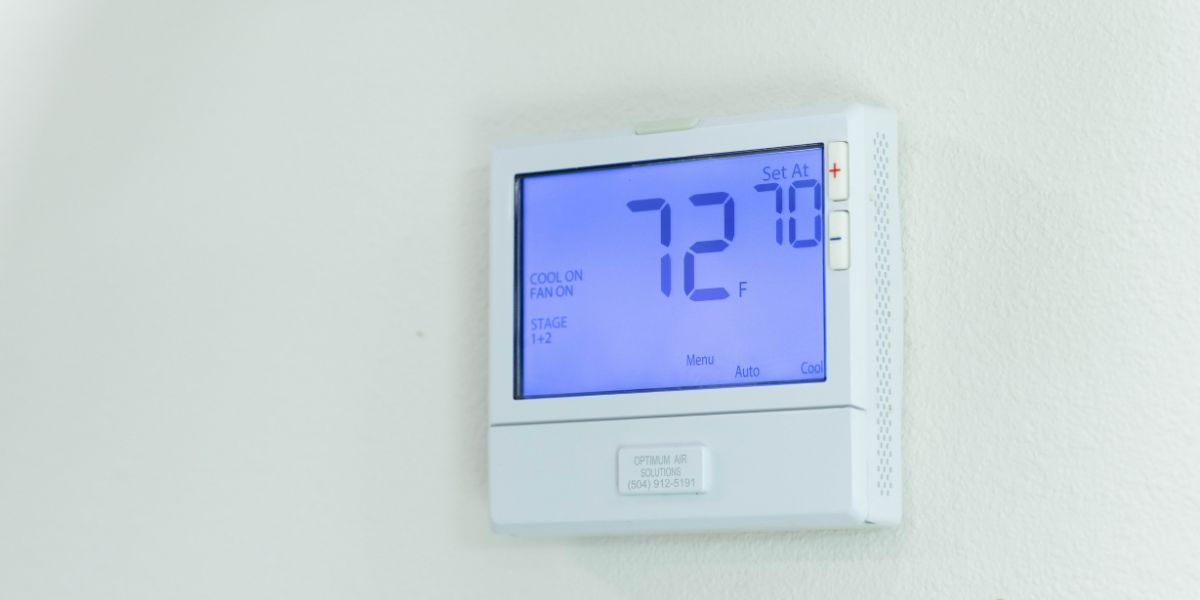
If you constantly adjust the thermostat or leave it at a high setting all day, you’re likely burning more energy than necessary. Many homeowners also forget to lower the temperature when leaving the house or sleeping, missing out on easy savings.
Smart thermostats or programmable models can help regulate indoor temperatures more efficiently, keeping your comfort level steady without the constant spikes in your heating bill.
Your Heating System Might Be Underperforming
Not all heating systems run at peak performance forever. Over time, even the best units lose efficiency. Filters clog, components wear down, and minor issues, like blocked vents or outdated ductwork, lead to serious energy waste.
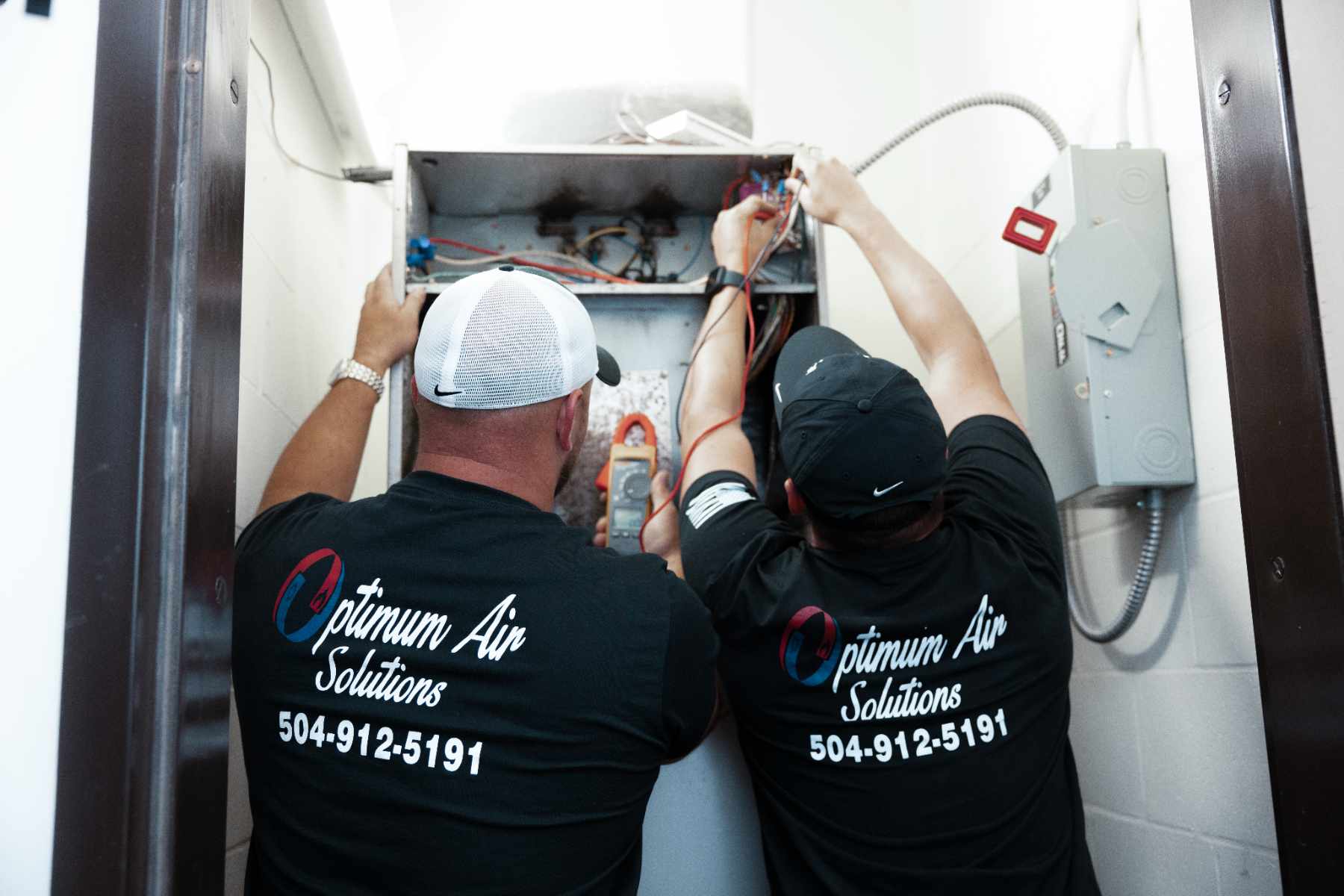
If your heating bill is too high and your system hasn’t been inspected in a while, you might be due for a professional checkup. A reliable heating repair service can identify and correct small inefficiencies before they grow into costly problems.
How Regular Maintenance Can Prevent High Heating Bills
Think of maintenance like an annual check-up for your system. It keeps everything running smoothly and catches problems early.
Replacing a dirty filter, cleaning the burners, or recalibrating the thermostat might seem minor, but collectively, these steps make a big difference. Homes that invest in annual servicing typically report lower energy use and fewer unexpected breakdowns.
Working with HVAC Repair Experts means you’re not just fixing what’s broken, you’re improving how your entire system functions.
Is Your System the Right Size for Your Home?
Bigger isn’t always better. A unit that’s too large will cycle on and off more frequently, using more energy without effectively distributing heat. A system that’s too small will struggle to keep up, running nonstop and still leaving cold spots.
Both situations lead to inflated bills. A qualified HVAC technician can assess your home and let you know whether your system is properly sized.
Older Units = Higher Costs
If your furnace is more than 15 years old, it could be the main reason your heating bill is too high. Older units typically have lower energy efficiency ratings and are more prone to wear and tear.
Newer systems, especially those with Energy Star ratings, are designed to use less fuel for the same, or better, results. Upgrading might involve an upfront cost, but the long-term savings often justify the investment.
Air Leaks and Duct Issues
Even if your heater is running perfectly, leaky ductwork could be costing you. Heated air that escapes before reaching its intended room is wasted energy.
According to some estimates, homes can lose up to 30% of heated air through poorly sealed ducts. If you’ve noticed uneven heating or strange noises in your system, that could point to a duct problem worth addressing.
How Outside Factors Impact Your Bill
Utility rates can fluctuate, especially during peak seasons. If your bill spiked without any major change in usage, it’s worth checking with your energy provider to see if rate hikes might be playing a role.
Also, consider your household size and behavior. More people at home during the day (such as remote workers or young kids) can naturally increase heating demand.
Simple Fixes That Help You Save
While some causes of high heating bills require professional attention, others can be handled with a bit of routine attention:
- Use draft stoppers at the base of doors
- Close curtains at night to trap warmth
- Open curtains during the day to let sunlight in
- Change your air filter every 1-3 months
- Lower your thermostat a few degrees and wear layers
- Keep furniture away from vents to allow for proper airflow
Small steps like these don’t just help your wallet, they help your system run more efficiently too.
When to Call in the HVAC Experts
If you’ve gone through the checklist and your heating bill is still too high, it’s time to bring in experts. Whether it’s a hidden mechanical issue or an outdated system, professionals can diagnose the issue quickly and recommend a path forward.
A visit from your local HVAC Repair Experts may involve performance testing, energy audits, or just a deep clean, but the outcome is the same: a better-performing system and fewer surprises in your next bill.
The Bottom Line
No one likes feeling stuck with a high bill and no answers. But heating costs don’t rise without reason.
If your heating bill is too high, it’s a signal, not just a number. It’s a sign to reassess how your system is working, how your home is sealed, and how your daily habits impact energy use.
Tackling the problem doesn’t mean jumping straight to expensive upgrades. Often, it starts with paying attention, asking the right questions, and acting on small, logical changes.
Warmth doesn’t have to come at a premium. With the right approach, you can enjoy a comfortable home without dreading the mail each month.
continue reading
Related Posts

When the temperatures drop and your heater becomes the most

When your heating system stops working in the middle of
When winter sets in, most households face a familiar dilemma: