
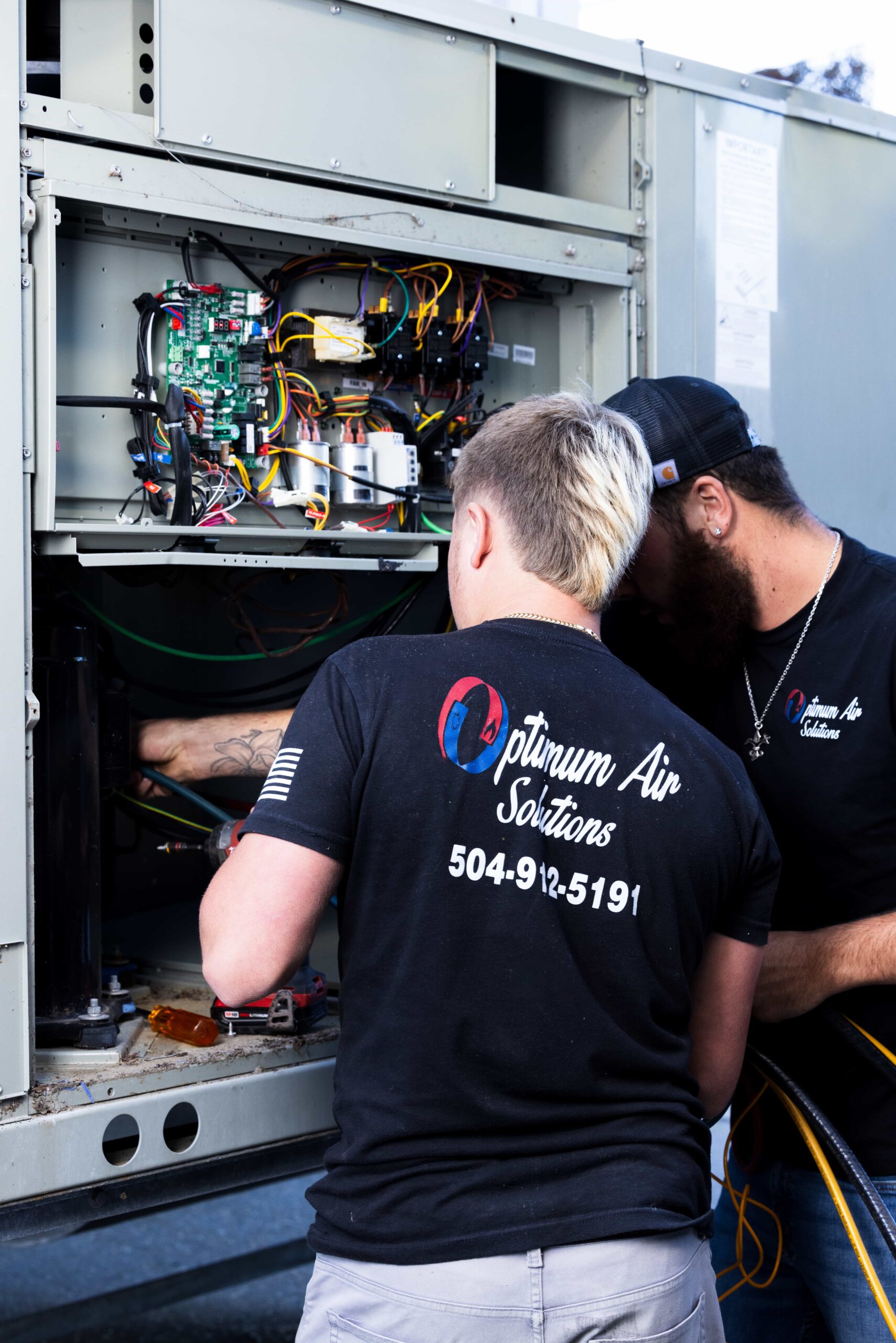
The heater stops working in the dead of winter. The thermostat won’t respond. The house feels colder with every passing hour. As discomfort turns to frustration, the first question that usually arises is: How much is this going to cost me? In 2025, the answer to that question isn’t as straightforward as it once was.
Understanding heating repair cost 2025 is essential for homeowners who want to prepare financially, avoid surprises, and make informed decisions. As technology evolves and inflation creeps into every service sector, the heating repair cost 2025 landscape is shaped by several subtle but important factors.
Let’s break it down clearly so you know what to expect.
Average Heating Repair Cost in 2025
In 2025, the average homeowner can expect to pay between $175 and $650 for typical heating repairs. This range covers basic issues like thermostat malfunctions, ignitor replacements, and clogged filters.
More complex repairs, such as blower motor replacements or heat exchanger issues, can easily push costs into the $800 to $1,500 range, particularly if your system is older or less efficient.
It’s important to note that these are national averages. Costs can vary significantly depending on your location, the HVAC system type, and even the availability of parts.
What’s Influencing Heating Repair Cost in 2025?
Inflation and Labor Rates
One of the biggest drivers of increased repair costs is labor. Technicians with specialized HVAC certifications are in high demand, and that drives up their hourly rates. In 2025, most homeowners are seeing technician fees ranging from $100 to $175 per hour.
Materials and replacement parts have also risen in cost due to inflation and global supply chain issues. Even something as simple as a replacement thermostat could cost 15–25% more than it did just two years ago.
Smart System Complexity
Modern HVAC systems are more efficient, but they’re also more complicated. Many newer systems include smart thermostats, variable-speed blowers, and zoned climate control. These features improve comfort and energy efficiency but also add layers of complexity when it comes to repairs.
Troubleshooting a smart system requires time, expertise, and diagnostic tools. This adds to the cost not only in labor but sometimes also in needing specialized components.
Seasonal Demand
Heating systems tend to break when they’re under the most stress, usually in the coldest months. During peak winter season, heating repair services are stretched thin. Emergency service calls or weekend appointments can come with a premium fee, sometimes adding $150 to $300 to the base cost.
Types of Heating Systems and Their Repair Costs
Different heating systems come with different repair expectations. Here’s how they generally compare in 2025:
- Furnaces (Gas or Electric): Most common, with repair costs averaging $300–$700.
- Boilers: More expensive to repair, ranging from $400–$1,200.
- Heat Pumps: Costs can vary, but typically fall between $250–$850.
- Radiant Floor Systems: Often the most expensive to troubleshoot and fix, ranging from $500–$1,500+.
The more customized or older your system is, the more likely it is that a repair will be costly, not necessarily because of the part, but because of the time and expertise required to address it.
How to Avoid High Heating Repair Costs in 2025
There’s a quiet trap that many homeowners fall into: neglect. Waiting for a system to break before taking action often results in higher repair bills. Here are a few practical steps to avoid that:
- Schedule annual maintenance. It’s one of the most cost-effective ways to catch minor issues before they become expensive.
- Replace filters regularly. Dirty filters strain the system and can lead to overheating or part failure.
- Keep vents and ducts clean. Poor airflow can damage components over time.
Some HVAC repair companies offer maintenance plans that include routine inspections, discounts on parts, and priority service during peak seasons. These plans can be worth considering if your system is older or under heavy use.
When Is The Time to Replace Instead of Repair?
There’s a critical threshold many homeowners overlook: the 50% rule. If the cost of a repair is more than 50% of the value of your current system, or if the system is over 15 years old, replacement might be the better long-term decision.
Here’s the thought process:
- Is your system still under warranty?
- Have there been repeated breakdowns in the past year?
- Are your energy bills rising despite normal usage?
If the answer is yes to more than one of these, you might be throwing money at a temporary fix. Many heating repair services now offer consultation to help homeowners assess whether replacement makes more sense, factoring in energy efficiency rebates and financing options.
Final Thoughts: What Smart Homeowners Are Doing Differently in 2025
There’s a growing trend in 2025: proactive repair planning.
Homeowners who understand the dynamics of the market, how technician labor rates, parts availability, and technology complexity affect the final bill, are better equipped to avoid surprises.
They’re building relationships with a trusted HVAC repair company before an emergency strikes. They’re budgeting for annual inspections. And they understand that cutting corners now often leads to higher costs later.
Understanding heating repair cost 2025 isn’t just about price, it’s about clarity. It’s about knowing what you’re paying for, when to pay it, and how to prepare so you’re not left in the cold when your system fails.
By staying informed and acting early, you won’t just save money. You’ll also stay warm when it matters most.





Leave A Comment