

You’re driving home on a cold winter evening, hoping to be welcomed by a warm blast from your heater. But instead of comfort, you’re greeted with cold air blowing through the vents. You crank the dial, hoping for change. Nothing.
When your heater is not blowing hot air, frustration sets in quickly. You’re not just dealing with discomfort; you’re facing uncertainty about what’s wrong and how much it might cost to fix. Whether it’s your home furnace, your electric heater not blowing warm air, or your car’s heating system, when heat fails, it disrupts more than temperature—it disrupts peace of mind.
Understanding why your heater not blowing warm air happens and what you can do about it is essential. This guide offers a clear explanation of the possible causes and fixes, helping you make informed decisions without jumping to conclusions or wasting time on trial and error.
Why Is Your Heater Not Blowing Hot Air?
A heater is a system built to regulate comfort. When it fails, it’s usually due to a breakdown in one of its components, not the entire unit. Identifying which part has failed helps resolve the problem efficiently.
Common Causes When the Heater Is Not Blowing Hot Air
Let’s break it down into the most frequent issues:
1. Thermostat Issues
A faulty thermostat is one of the most overlooked yet frequent culprits. It may be set incorrectly or malfunctioning entirely.
If the thermostat is set to “cool” or the fan is on without heat mode, you may find the heater is not blowing hot air. Double-check the settings before investigating further.
When thermostats become unresponsive or misread the room temperature, they fail to signal the heater to engage. In such cases, recalibration or replacement might be necessary.
2. Dirty Air Filters
Clogged filters restrict airflow, leading to overheating and shutdowns. This often results in a heater not blowing warm air. Replacing dirty filters is a quick and affordable solution.
This often leads to a heater not getting hot or blowing cold air instead of warmth. Replacing a dirty air filter is an easy, affordable fix that often resolves the issue.
3. Pilot Light or Ignition Failure
For gas-powered systems, the ignition component, either a standing pilot light or electronic ignition, must function correctly to heat the air.
If the pilot light is out or ignition fails, your heater is not blowing hot air because the burners never ignite. Always follow safety guidelines when relighting or contact a professional.
4. Tripped Circuit Breaker or Blown Fuse
Your heating system relies on electricity for internal controls, even if it uses gas or oil. A tripped breaker can disable components like the blower fan or electronic ignitor.
Check the electrical panel for any tripped switches. Resetting a breaker may bring your system back to life, but if it trips again, an underlying electrical issue may need professional evaluation.
5. Blocked or Leaky Ducts
Even if the furnace is working, your home’s ductwork might be the problem. Air leaks or blockages can prevent hot air from reaching the intended rooms, leaving you with drafts and uneven heating.
Ductwork inspections often uncover insulation gaps, animal intrusion, or debris buildup, all of which compromise efficiency.
6. Faulty Blower Motor
The blower motor distributes the heated air through your home. If it fails, warm air won’t circulate, even if everything else is working.
Unusual noises or a complete absence of airflow are signs the blower may need repair or replacement.
What to Do When Your Heater Stops Blowing Hot Air
Knowing what to check can save time, frustration, and potentially even money. Let’s explore some practical steps you can take.
Start with the Basics
- Thermostat Check: Confirm it’s set to “heat” and the temperature is higher than the current room temperature.
- Power Supply: Make sure the unit has power. Check the circuit breaker and switches connected to the furnace.
- Air Filter: Inspect and replace if it appears clogged or dirty.
Listen and Observe
Pay attention to sounds. Clicking without ignition might indicate a faulty igniter. A blower running without heat suggests a burner issue. No activity at all might be electrical.
These subtle cues help narrow down the root cause without needing technical tools.
Try a System Reset
Some furnaces include a reset button. If you suspect a temporary fault, turn off the system, wait a few minutes, and then power it back on. A reset might restore function if the issue was minor or momentary.
When to Call a Professional
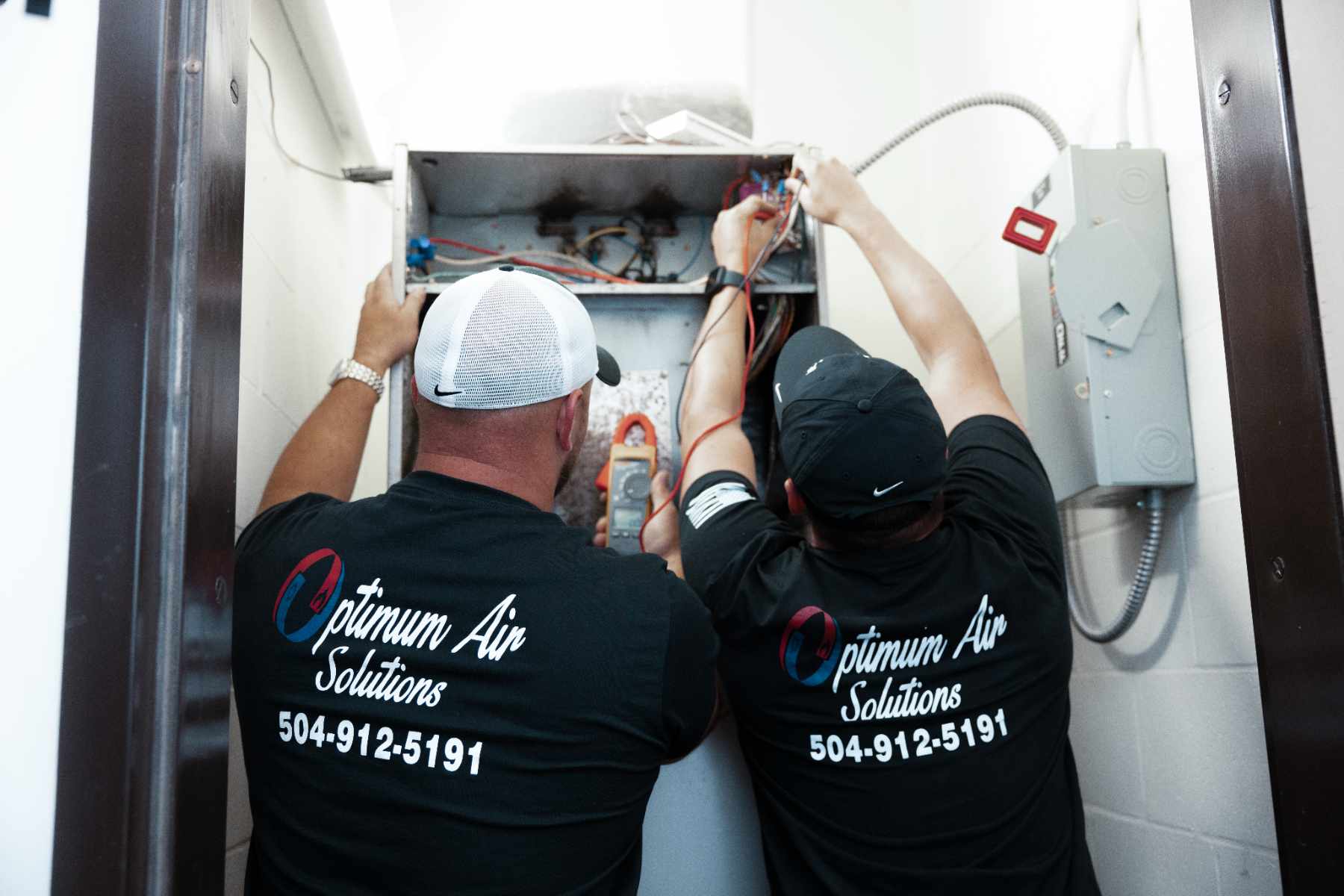
If troubleshooting doesn’t fix your heater not blowing hot air, it’s time to call an HVAC expert. Professionals diagnose issues like ignition faults or duct leaks quickly and safely.
Professional inspection ensures the problem is correctly diagnosed and safely repaired. Especially for ignition systems or ductwork issues, DIY attempts may lead to bigger complications or safety hazards.
Heater Not Blowing Hot Air? It Might Be Time for Heating Repair
If you’ve checked everything and still find your heater not blowing warm air, a mechanical issue may be to blame. Professional heating repair ensures precise diagnostics and reliable fixes that restore comfort efficiently.
They’ll evaluate internal components, run pressure tests, and use tools that homeowners typically don’t have access to. This means faster, more accurate repairs, often preventing minor issues from becoming major ones.
Preventing Future Heating Problems
Once the issue is resolved, prevention is your next best investment. Routine maintenance can dramatically reduce the risk of your heater not blowing warm air in the future.
Schedule Annual Inspections
Most HVAC professionals recommend having your system inspected before winter. This preemptive service can detect wear and tear, clean components, and optimize performance.
Change Filters Regularly
One of the easiest ways to maintain airflow and system health is to replace air filters every 1–3 months, depending on use and environment.
Keep Vents and Ducts Clear
Avoid blocking vents with furniture or drapes. Periodically check for signs of dust buildup or blockages in return air ducts.
When It’s More Than Just Heat
Sometimes, a heater not blowing hot air signals deeper HVAC problems. Addressing these early can prevent future AC or ventilation issues.
That’s why working with a reputable HVAC contractor offers more than just a fix; it provides long-term assurance that your entire system is running as it should.
Final Thoughts
When your heater is not blowing hot air, it doesn’t always mean the worst. Often, it’s a simple fix—one that just needs the right attention at the right time.
But just as often, it’s a reminder that systems wear down, that maintenance matters, and that some repairs are best left to trained professionals.
The key is not to ignore the signs or wait until it’s unbearable. Addressing the problem early, whether on your own or with help, restores comfort and peace of mind faster than you think.
👉 Stay warm and worry-free—contact Optimum Air Solutions today for expert heating repair, maintenance, and installation services in New Orleans!
continue reading
Related Posts

When the temperatures drop and your heater becomes the most

When your heating system stops working in the middle of