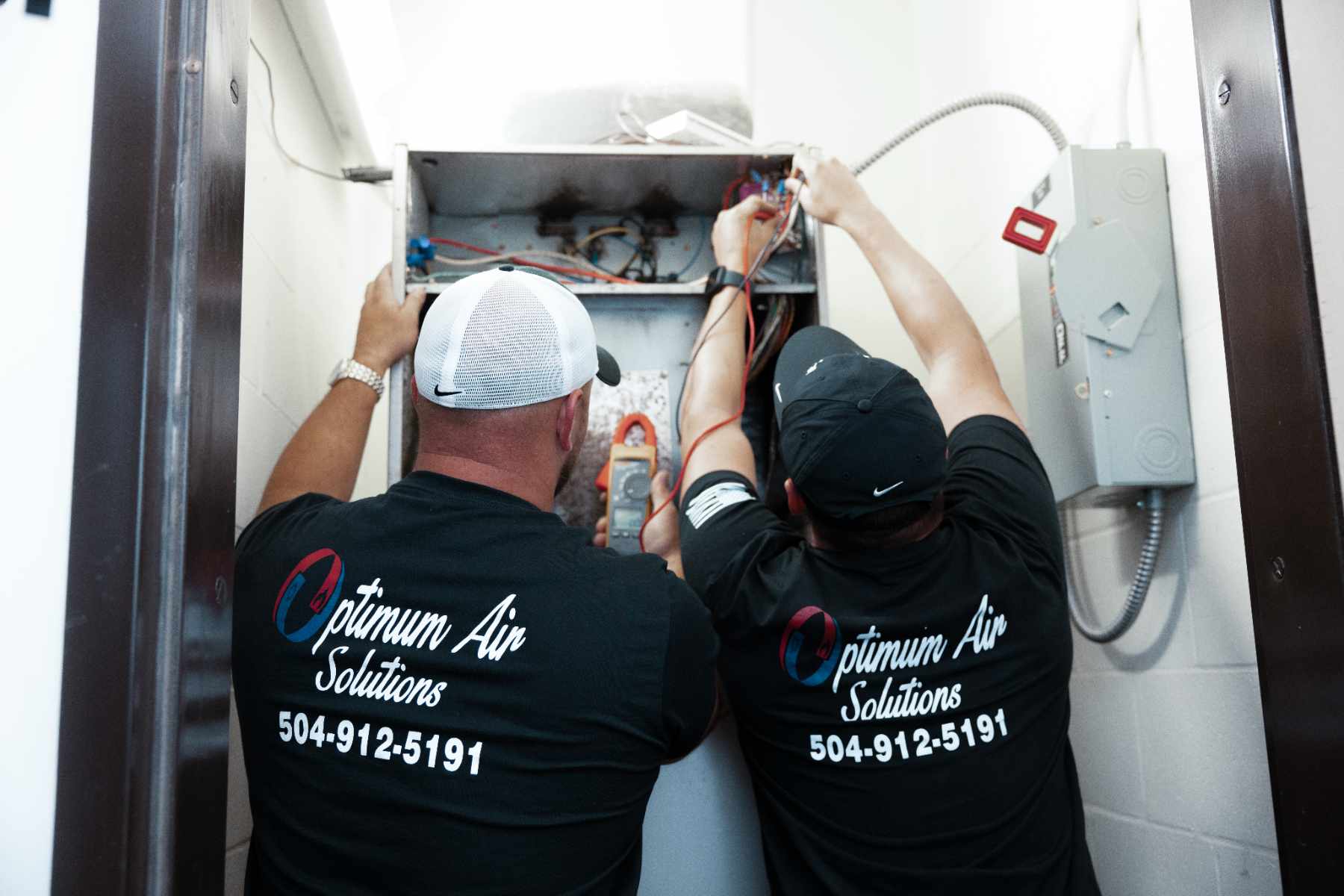



When your heating system stops working in the middle of a cold night, panic is a natural reaction. The silence where warm air used to flow leaves you wondering: Did something break? Can I fix it? Or do I need to spend money on a technician?
If you’re asking yourself, can I repair my heating system myself? You’re not alone. Many homeowners face this question every winter, and it’s not always easy to decide. You want to make a smart choice, avoid unnecessary costs, and get the heat back on quickly. But the wrong move can make the problem worse, or even create a safety risk.
This guide will walk you through how to think clearly when the heat goes out. We’ll look at the kinds of heating problems you can safely fix on your own, and the ones that absolutely need a professional.
Can I Repair My Heating System Myself? Know Before You Act
Let’s be honest: the idea of saving money and skipping a service call is tempting. But before reaching for your toolbox, stop and assess the situation logically.
Ask yourself again: Can I repair my heating system myself? The answer depends on what the issue is, how much you understand about HVAC systems, and what kind of risks are involved.
Easy Fixes You Can Do Without a Technician
Some problems have simple solutions. If your heater suddenly stops working, it doesn’t always mean something is broken. Before you call a heating repair service, check the following:
1. Thermostat Settings
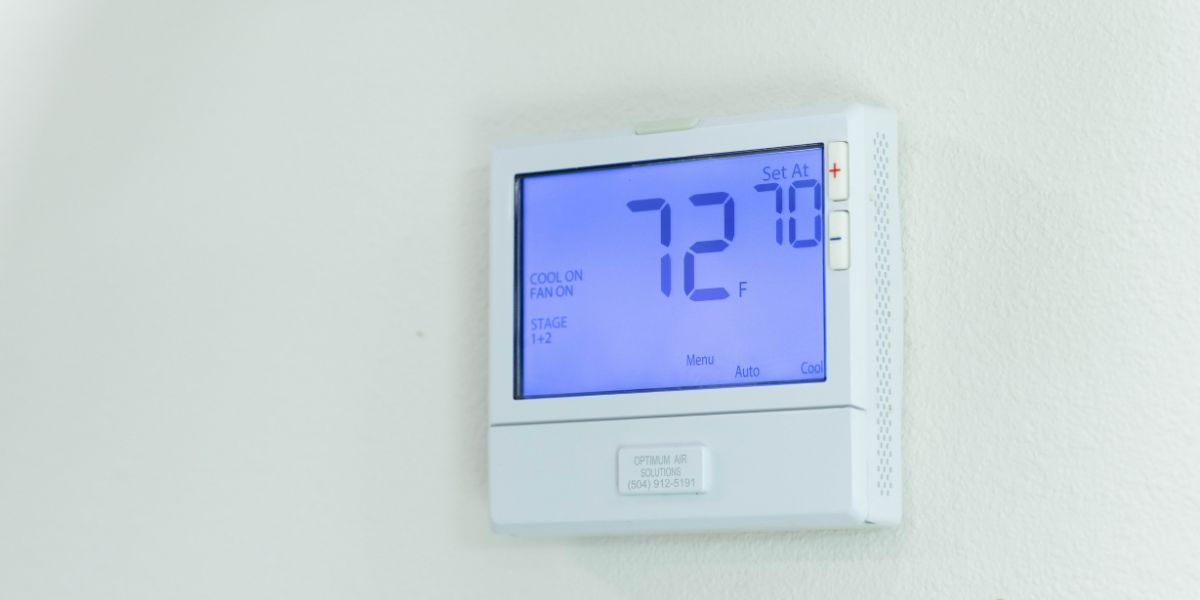
Sometimes the thermostat is accidentally set to “cool” instead of “heat,” or the temperature is too low to trigger the system. It’s basic, but often overlooked.
2. Circuit Breaker
If the system won’t turn on at all, check the breaker box. Heating systems, especially electric furnaces or heat pumps, can trip the circuit.
3. Dirty Air Filter
A clogged filter limits airflow, causing the system to overheat or shut down. Replacing a filter is quick and doesn’t require special skills or tools.
4. Blocked Vents
Make sure all vents in your home are open and not covered by rugs, curtains, or furniture. Blocked vents can cause uneven heating and pressure issues.
Each of these issues can be fixed without any technical knowledge. If you check them and everything looks good, but the heater still doesn’t work, it’s time to move beyond DIY.
When to Stop and Call an HVAC Repair Company
There’s a point where doing it yourself stops being practical and starts being risky. Modern heating systems are complex, and mishandling them can create serious problems.
Here’s when you should stop troubleshooting and contact a professional:
1. You Smell Gas
If there’s a gas odor in your home, leave immediately. Call your utility provider or emergency services. This is not something you should investigate on your own.
2. Pilot Light or Ignition Issues
Older systems may have a standing pilot light. Newer ones use electronic ignition. If the flame won’t stay lit or the igniter fails, don’t try to relight it repeatedly, especially if you’re not sure what’s causing the problem.
3. Strange Noises
Banging, rattling, or screeching sounds are a sign something internal is loose, broken, or worn down. It could be a blower motor, fan belt, or even a cracked heat exchanger. Don’t guess, call a technician.
4. Frequent On/Off Cycling
Short cycling wears down your system and increases energy costs. It could be caused by anything from thermostat issues to overheating. A qualified HVAC repair company can run diagnostics to find the root cause.
5. Electrical Problems
Sparks, flickering lights when the heater runs, or repeated circuit trips should never be ignored. These are warning signs that the system may be overloading or short-circuiting.
Why DIY Heating Repair Can Backfire
It’s easy to underestimate what goes into a heating system. Furnaces and heat pumps involve electrical components, gas lines, sensors, fans, switches, and software controls. Tinkering with one part can impact several others.
A common mistake homeowners make is resetting a high-limit switch or safety sensor, thinking it’ll restart the system. It might work temporarily, but if the root cause isn’t fixed, you’re risking damage or fire.
And then there’s the issue of warranty. Many heating systems come with manufacturer warranties that are voided if unauthorized work is done. Even a well-meaning DIY attempt can end up disqualifying you from coverage.
What’s at Stake? Safety, Cost, and Time
The cost of calling a heating repair service might seem like a burden at first, but compare that to the cost of replacing a damaged control board, or worse, replacing the whole system.
Think of it this way: if you’re not 100% sure what the problem is, it’s not a DIY situation. Heating systems aren’t like changing a light bulb or fixing a leaky faucet. They demand precision, understanding, and experience.
A Thoughtful Way to Decide
So how do you know when to try a fix and when to pick up the phone? Use a simple rule: if the issue is external and requires no special tools or knowledge, give it a try. If it’s internal or involves wiring, gas, or anything beyond surface-level access, call a pro.
And if you’re unsure, ask yourself: Am I troubleshooting out of confidence, or out of frustration? If it’s the latter, you might be walking into a bigger problem.
Maintenance: The Best Fix You’ll Ever Make
The best way to avoid this dilemma in the future is simple: schedule regular maintenance. Seasonal check-ups by a licensed HVAC repair company can prevent most surprise breakdowns.
Think of it as the difference between brushing your teeth daily and waiting until a root canal is needed. Consistent care is cheaper, safer, and far less stressful.
Final Answer: Should You Repair Your Heating System Yourself?
If the problem is simple, like a dirty filter, a thermostat setting, or a flipped breaker, go ahead and fix it. These don’t require special knowledge, and they’re often the cause of no-heat calls in winter.
But if the issue goes beyond the surface, the smart move is to step back. Your heating system is too important, and too complex, to risk guessing.
Let the pros handle the tough stuff. You’ll get peace of mind, stay warm, and avoid turning a small problem into a costly one.
So next time you wonder, can I repair my heating system myself?, pause, think clearly, and make a choice that protects both your home and your comfort.
continue reading
Related Posts

When the temperatures drop and your heater becomes the most
When winter sets in, most households face a familiar dilemma: