

When winter sets in, most households face a familiar dilemma: how to keep warm without pushing the heating bill through the roof. You wake up to freezing floors, layer on socks and sweaters, and wonder if the thermostat should go up a notch, or maybe two. The uncertainty grows with every degree, and the bill at the end of the month confirms it: staying warm costs more than you expected.
This is where understanding the best thermostat settings for winter becomes more than a casual tip, it becomes a way to balance comfort, cost, and energy efficiency. And yes, getting it right makes a measurable difference.
Let’s take a thoughtful look at how you can control your winter heating without losing money or peace of mind.
Why the Right Thermostat Setting Actually Matters
Most people adjust their thermostat based on how cold they feel in the moment. But this kind of on-the-fly decision-making often leads to overheating the house, and overpaying on bills. A home that’s too warm doesn’t just waste energy. It puts added strain on your heating system, which increases the chance you’ll be calling for heating repair in the middle of a cold snap.
That’s why the best thermostat settings for winter aren’t about guessing. They’re about creating a consistent environment that works for your schedule and your house.
Ideal Thermostat Settings During the Day
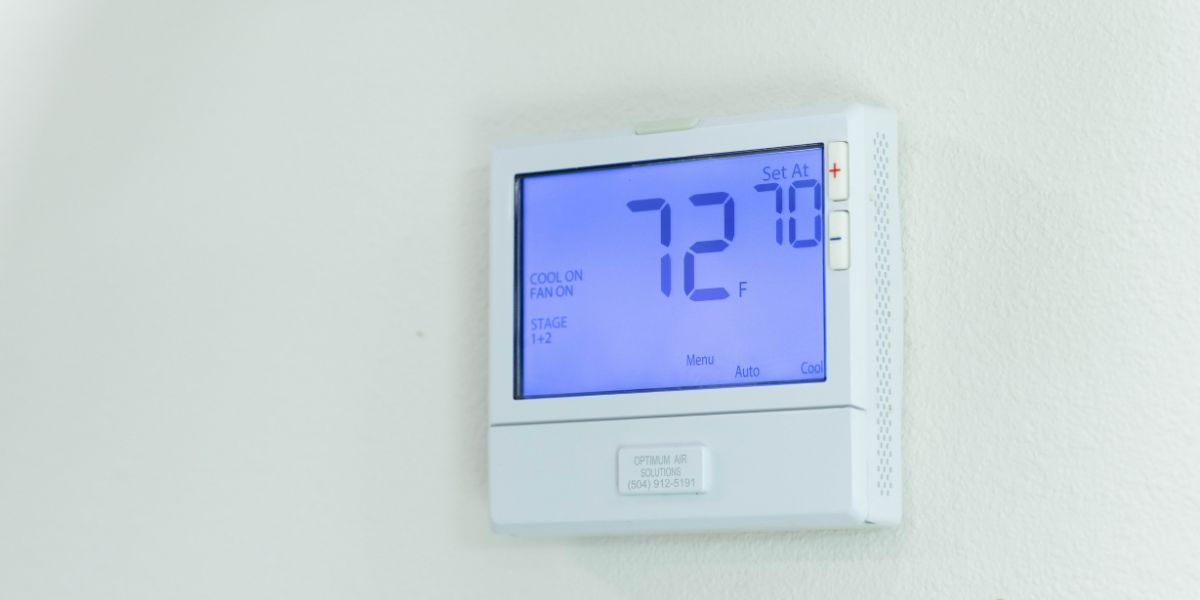
If you’re home during the day, the general recommendation is to set your thermostat at 68°F (20°C). At this level, most people can stay comfortable with layered clothing and minimal heating system use.
But the real benefit isn’t just comfort. It’s energy efficient. At this temperature, your system works in a steady, moderate way. It doesn’t constantly switch on and off. And that means fewer surprises when your monthly bill arrives.
This setting also makes it easier to identify when something’s wrong. If your home doesn’t feel warm at 68°F, the issue might not be the temperature, it might be your equipment. That’s a sign to call the HVAC Repair Experts before a small inefficiency becomes a costly problem.
Best Thermostat Settings for Winter Nights
Nighttime brings a shift. You’re not moving around the house. Your bed is warm. Your body naturally cools down. So what’s the right approach?
Set your thermostat to between 60°F and 65°F (15°C to 18°C) while you sleep. This cooler setting promotes better sleep and saves energy while your system gets a break. As long as you have warm blankets and maybe a hot water bottle, you’ll likely sleep more soundly than in a room that’s overly warm.
It also means your heating system gets to run less often, which prevents overuse and supports longer system life.
When You’re Not Home: Set It and Save
If no one is home during the day or if you’re away on a winter trip, don’t keep the house warm for no reason.
Drop your thermostat to 55°F to 60°F (13°C to 15°C). This is enough to prevent frozen pipes, especially if you live in an area where temperatures drop below freezing. But it avoids wasting heat on empty space.
For homes with smart thermostats, this setting can be automated. You can schedule lower temperatures during work hours and have the system warm the house up before you return. If you don’t have a smart system, a programmable thermostat works just as well, just set it and stick to the routine.
Adjusting for Kids, Seniors, and Health Needs
Some people in your home may be more sensitive to cold. Infants, elderly adults, and those with health conditions may need a warmer indoor environment.
In those cases, instead of raising the thermostat for the entire house, consider zone heating. Use space heaters safely in occupied rooms, or keep certain areas slightly warmer than others. It’s more energy-efficient than heating every room unnecessarily.
Layered clothing, thermal curtains, and rugs can also help maintain warmth without increasing the system’s workload.
Why Constant Thermostat Changes Don’t Work
It’s tempting to adjust the thermostat constantly, up when you’re cold, down when you’re warm. But that behavior causes problems.
Your heating system doesn’t speed up just because you set it to a higher temperature. It heats at the same pace, which means you’re just asking it to run longer. That wastes energy and leads to uneven comfort throughout the home.
If your house feels drafty or cold even when your settings are right, don’t assume you need more heat. You might need heating repair or improved insulation.
Use Smart Thermostats for Winter Efficiency
One of the smartest moves you can make during winter is installing a smart thermostat. These devices learn your habits and automate temperature changes based on your schedule.
Smart thermostats can lower the temperature when you leave, raise it before you return, and even adjust based on outdoor conditions. Some models show you real-time energy usage, so you can track how each change affects your bill.
And unlike manual adjustments, automated settings are consistent. They prevent accidental overuse and reduce the chance of system breakdowns, which, again, keeps the HVAC Repair Experts out of your emergency contact list.
What Else Affects How Warm Your House Feels?
Temperature alone doesn’t create comfort. A poorly insulated house will feel cold no matter what the thermostat says. And a well-sealed home might feel warm at lower settings.
To help maintain warmth:
- Seal air leaks around windows and doors
- Use insulated curtains at night
- Let sunlight in during the day
- Reverse your ceiling fan direction to push warm air down
These adjustments don’t cost much, but they can shift how warm your home feels, making 68°F feel like 72°F.
Red Flags That Signal Something’s Wrong
If your thermostat is set properly but your house still feels cold, don’t wait for the problem to fix itself.
Common red flags include:
- Uneven temperatures between rooms
- Constant cycling (turning on and off)
- Increasing energy bills with no change in usage
These are often signs your system is struggling. You may need a simple filter change, or something more involved like a thermostat recalibration or system tune-up. Either way, addressing issues early reduces the risk of full-scale breakdowns.
Final Thoughts: Strategy Beats Guesswork
Keeping your home warm in winter doesn’t have to be a guessing game. With a little planning, a stable routine, and the right settings, you can stay comfortable without overpaying.
The best thermostat settings for winter aren’t about maxing out the heat. They’re about steady, smart choices that reflect how your household lives, sleeps, and moves through the day.
Use 68°F as your baseline, adjust lower for nights and absences, and monitor how your home responds. If something feels off, it may not be the temperature, it may be your system. In that case, consult a professional for heating repair and let the HVAC Repair Experts handle the diagnostics.
Warmth is good. Predictable warmth that doesn’t wreck your budget? Even better.
continue reading
Related Posts

When the temperatures drop and your heater becomes the most

When your heating system stops working in the middle of