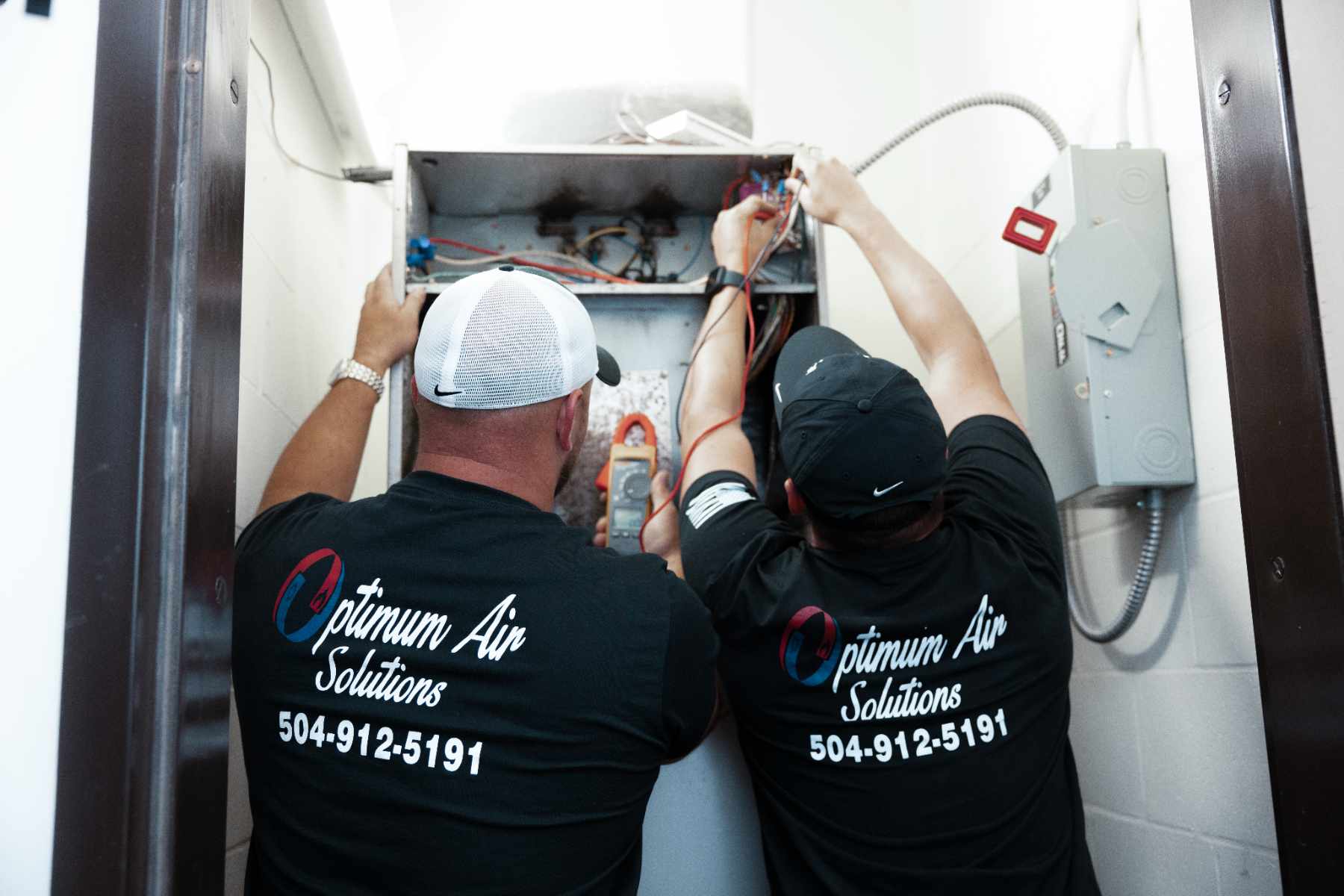



It always starts the same way. The first chilly morning arrives, you switch on your heat, and nothing happens. Maybe it blows cold air, maybe it rattles like it’s on its last breath, or maybe it doesn’t turn on at all. In that moment, one pressing question takes over: heating repair vs replacement, what’s the right decision?
That’s not an easy call to make. And the truth is, choosing between heating repair vs replacement isn’t just a technical decision. It’s an emotional one. There’s the frustration of unexpected costs, the worry about comfort and safety, and the pressure to make the right long-term choice.
Let’s walk through this calmly and clearly, so you can make a smart, confident decision.
Heating Repair vs Replacement: How Do You Decide?
This decision hinges on more than just whether your system works today. It’s about whether fixing it is actually worth it.
To evaluate properly, we need to consider both logic and practical consequences, costs, lifespan, energy efficiency, and more.
How Old Is Your Heating System?
Start with the age. Most furnaces and heat pumps last 10–15 years, sometimes a bit longer with regular maintenance. If your system is under 10 years old and has had no major problems, repair is usually the more reasonable path.
But if it’s pushing 15 or older, any repair might just be a short delay before another breakdown.
Are Repairs Becoming More Frequent?
Imagine this: you repaired the blower motor last winter. Then a control board the spring before that. Now, it’s the igniter. If repairs are adding up year after year, you’re not fixing a problem, you’re prolonging its decline.
Think of it like this: each repair solves a symptom, not the root cause. Over time, these costs pile up, and you’re investing in a machine that’s no longer reliable.
This pattern usually signals it’s time to consider replacement.
What’s the Cost of Repair?
Here’s a simple rule used by many professionals: if the repair costs more than 50% of the price of a new unit, replacement makes more financial sense.
Let’s say you’re quoted $1,200 to repair a heat exchanger, but a new, efficient furnace costs around $2,500. That’s when you start weighing the future savings a new system would bring.
Even if the repair is cheaper, it may still be unwise if it only buys you another year or two of functionality.
How Efficient Is Your Current System?
Old heating systems don’t just break down more, they burn more fuel or electricity to provide less heat. Modern units have vastly improved efficiency ratings (AFUE or HSPF), which means lower monthly energy bills.
So, if your heating bills have been creeping up, the inefficiency might be eating away at your budget more quietly than any repair cost.
A newer system installed by a trusted HVAC company can often reduce energy use by 20% or more.
Are There Safety Concerns?
This part isn’t optional. If your furnace is leaking carbon monoxide or has cracks in the heat exchanger, it’s not just inconvenient, it’s dangerous.
In these situations, repair might technically be possible, but it’s almost never the smart option. Replacement becomes a necessary step to ensure safety for your home and family.
Factors That Favor Heating Repair
Now let’s balance the picture. There are times when repair is the right move, and a smart one.
- The unit is under 10 years old
- The repair is minor (like a flame sensor or thermostat)
- It’s the first time it has needed fixing
- Your energy bills haven’t noticeably increased
- You’ve been keeping up with annual maintenance
In such cases, repair is not only cost-effective but also aligns with the system’s expected lifespan.
A reputable heating repair technician will be honest about whether the fix will hold or if it’s just a temporary patch.
Why Timing Matters
Don’t overlook the time of year. During peak heating season, replacement might mean waiting days in the cold, while a quick repair could get the heat back on immediately.
But if you’re considering a major repair late in the season, you might be better off planning a replacement in the off-season when HVAC professionals are more available, and prices are often lower.
Long-Term vs Short-Term Thinking
This decision, like many in life, benefits from long-term thinking. Fixing what’s broken feels good today, but what will it mean next winter?
A new heating system is a bigger investment up front, yes. But it often includes warranties, greater reliability, and real energy savings.
Repairs, while cheaper today, can sometimes just delay the inevitable, without saving much in the long run.
Ask yourself:
- Will this repair give me peace of mind for the next 2–3 years?
- Or will I be repeating this process next season?
The answer to those questions can steer you toward the better choice.
What to Ask Your HVAC Technician
Before making a decision, have a transparent conversation with your technician. Ask questions like:
- What caused the issue?
- Is this likely to happen again?
- How long will the repair realistically last?
- Are there any signs of other components failing?
An experienced HVAC company should offer insight that goes beyond just making the sale. Their recommendations should be based on your system’s history, your budget, and your long-term comfort.
Investing in the Future
Sometimes, homeowners delay replacement out of fear. But modern systems are more advanced, more efficient, and often more affordable than people expect, especially when factoring in rebates, financing, and utility savings.
In this light, replacement isn’t just a cost. It’s an investment in comfort, peace of mind, and lower operating expenses.
Final Thoughts: Making the Right Call
So, heating repair vs replacement? It’s a personal decision, but one rooted in some clear logic.
If your system is relatively young, in decent shape, and the repair is small, fixing it makes sense. But if it’s old, inefficient, and demanding frequent service, replacement becomes the wiser move.
Look beyond the immediate problem. Consider the full picture, costs, comfort, energy use, safety, and how much certainty you want about your home’s warmth next winter.
When in doubt, a skilled technician can help you make a choice that fits both your short-term needs and long-term goals. And when it’s time to act, whether through expert heating repair or a full system replacement, choose a reputable HVAC company that values your trust.
Because in the end, it’s not just about fixing heat. It’s about making your home feel like home, no matter how cold it gets outside.
continue reading
Related Posts

When the temperatures drop and your heater becomes the most

When your heating system stops working in the middle of